


Start letting the building before the scaffolding comes down.
Twinflow captures one apartment of each type and the full amenity offer as soon as they are finished, and that single capture markets every matching home in the scheme. Renters relocating from another city, or another country, can take the place seriously months before they could walk through it.
You are asking people to commit to a home that does not exist yet, using a CGI and a floor plan.
Lease-up is the hardest marketing problem in residential. For most of the campaign there is nothing to show. The site is a building site, the show apartment is not ready, and the only material available is a render that everyone knows is a render and a floor plan that most renters cannot read. Every week the building sits short of stabilisation is rent that never arrives, and the financing behind the scheme was underwritten on a lease-up curve somebody is now watching slip.
The renters you most want are the ones least able to visit. BTR competes for people relocating for work, moving from another city, arriving from abroad, or househunting in a six-week window between jobs. They are making a decision worth tens of thousands of pounds over a tenancy, remotely, on a phone, against a scheme two streets away that has a show apartment open.
The thing BTR actually sells is also the thing photographs handle worst. A renter choosing BTR over a buy-to-let flat is buying the amenity, the management and the building, not just the apartment. The residents' lounge, the gym, the co-working space, the roof terrace, the parcel room. Those spaces justify the premium, and a gallery of wide-angle shots does not convey how any of it connects.
Capture each apartment type once. Market every matching home in the building with it.
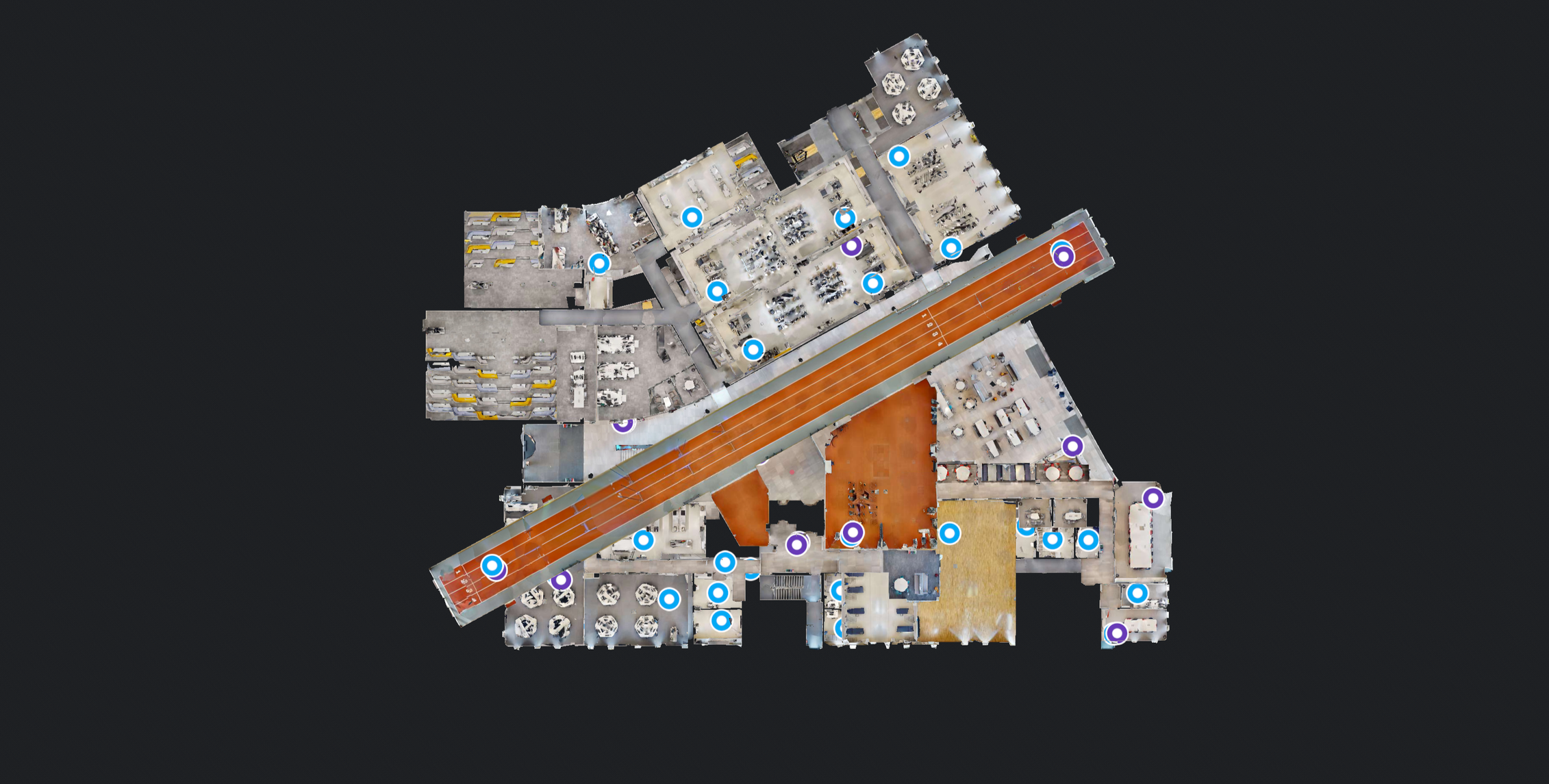
Twinflow captures one finished apartment of each type, plus the full amenity offer: residents' lounge, gym, co-working space, roof terrace, cinema room, parcel and bike stores, and the entrance and arrival sequence. Every matching home in the scheme is then marketed from that capture, so a 300-unit building needs a handful of captures rather than three hundred.
The model goes on your scheme website, into the portal listings, into the leasing team's first reply, and into the relocation agents and corporate housing providers who place tenants with you. It works from the moment the first units complete, which is usually months before the show apartment is open.
Built for the whole lease-up curve and the years after it.
Start letting months before the building is finished.
Sign tenants who will never see it first.
Stop walking strangers through the building all day.
Show what the premium actually buys.
Move a resident up a unit type without a viewing.
Every scheme presented to the same standard.
01 Off-plan and pre-completion lease-up
The gap between the first completed units and full handover is where lease-up is won or lost, and it is exactly when the marketing material is weakest. Capturing one apartment of each type as soon as it is finished turns that dead period into an active letting campaign, with something real to show instead of a render and a promise.
In practice
- First completed unit of each type captured and used to let every matching home
- Amenity captured as each space completes, rather than waiting for full handover
- Reservations and applications taken from renters who cannot yet visit the site
- Replaces renders in portal listings and campaigns as soon as real material exists
- Later phases captured as they complete, so the campaign stays current
02 Relocating and overseas renters
BTR competes hardest for people moving for work, arriving from another country, or househunting from a different city on a tight timetable. These renters sign remotely or not at all, and they are the ones most likely to take a longer tenancy. A model is the difference between being a serious option for them and being a listing they scroll past.
In practice
- Renters assess a specific apartment type and the full building without travelling
- Model shared with a partner or family who will live there but cannot visit
- Supplied to relocation agents and corporate housing providers placing tenants with you
- Works across timezones, which is when overseas applicants are actually looking
- Reduces the sight-unseen risk that stops remote applicants committing
03 Taking viewings out of the leasing process
On-site leasing teams spend a large share of the week walking people round a building. A meaningful proportion of those viewings were never going to convert, and every one of them takes a leasing consultant away from the applications that would. A model does the early filtering, so the viewings that happen are with people who have already decided they like the place.
In practice
- Model sent in the first reply to every enquiry, before a viewing is offered
- Early-stage viewings replaced entirely, so the team's diary clears
- Viewings that do happen are with applicants who have already seen the apartment type
- Fewer walk-throughs of occupied or completed units awaiting let
- Leasing consultants walk an applicant through the model on a call rather than on site
04 Selling the amenity, not just the apartment
The amenity offer is what justifies the rent premium over a comparable private rental, and it is the hardest part of the proposition to convey. Photographs show rooms in isolation. A model shows how the building actually works: where the gym sits relative to the lifts, what the co-working space is really like, whether the terrace is somewhere you would spend time.
In practice
- Full amenity journey captured as one connected model, not a gallery of separate rooms
- Embedded on the scheme website alongside each apartment type
- Used in campaigns that lead on the building rather than the unit
- Supports the rent position by showing what the premium buys
- Communal spaces re-captured after a refurbishment or a change of use
05 Renewals, retention and internal transfers
Retention is cheaper than lease-up, and the easiest renewal to win is a resident who moves up a unit type rather than moving out. Showing an existing resident a larger apartment in their own building usually means arranging access to someone else's home. A model removes that entirely and makes the internal upgrade conversation something a leasing team can have in a minute.
In practice
- Residents browse other unit types in their own building without a viewing
- Internal transfer and upgrade offers built around a model of the target apartment type
- Renewal conversations supported with what is available elsewhere in the scheme
- Residents moving between schemes in the same portfolio see the destination first
- No access required to an occupied home to show a prospective mover round
06 Portfolio consistency across a platform
Operators running a dozen schemes usually have a dozen standards of marketing material, because each one was procured locally at a different point in the cycle. Capturing to one specification across the portfolio makes the schemes comparable, makes campaigns reusable, and means a renter moving between your buildings sees the same quality of information each time.
In practice
- One capture specification applied across every scheme in the platform
- New schemes brought onto the same standard at launch rather than retrofitted
- Material reusable across portfolio-level campaigns and the operator's own brand site
- Consistent asset set available to asset managers and to investor reporting
- Re-capture programme scheduled across the portfolio rather than scheme by scheme
A simple, managed process, and we handle everything.
We work through the scheme's unit mix with you and agree which types need capturing, which amenity spaces matter to the letting proposition, and when each becomes available. The output is a capture programme mapped against your completion and handover dates rather than a single booking.
We capture each apartment type as soon as a finished example is available, and each amenity space as it is handed over. On an active site that normally means several short visits across the programme, so the letting campaign gains material as the building does.
Each model is processed and published within 24 hours of capture. You get shareable links, embed codes and floor plan exports, delivered so they can go straight onto the scheme site, the portal listings and into enquiry responses.
We manage hosting. Later phases, refurbished amenity and new schemes are captured to the same specification, so the portfolio stays consistent as it grows.
One capture per unit type. Every matching home in the building marketed from it.
A 300-home scheme does not need 300 captures. It needs one of each apartment type and one of the amenity offer, and that set markets the entire building through lease-up and every re-let afterwards. At the sector's average void and average rent, shortening a handful of voids across a single scheme covers the whole programme.

Engineered for every scheme type and operating model.
Urban apartment schemes, the bulk of the pipeline. Repeating unit types and a heavy amenity offer.
Suburban rental housing delivered and managed at scale, with the same repeating-type economics.
Compact private space sold almost entirely on shared amenity, where photographs undersell the proposition most.
Groups running several schemes who need one standard rather than a dozen local decisions.
Delivering for an operator or a fund, where the letting campaign has to begin before practical completion.
Owners underwriting a lease-up curve who want evidence the campaign is live before the building is.
Units within larger schemes with their own allocation routes and need for clear information.
Residential alongside commercial and public realm, where the whole place is the proposition.
Every stakeholder across the build-to-rent operation.
Owns the operating model across every scheme. Buys a standard rather than a capture.
Measured on the lease-up curve and stabilised occupancy. Feels every week the building sits short.
Runs the on-site team and the enquiry pipeline. Gets back the hours spent walking strangers round the building.
Owns the scheme website, portal listings and campaign spend. Responsible for replacing renders with real material.
Delivering the building. Cares about the capture programme fitting around a live site and a phased handover.
The channel that places some of your best tenants, remotely.
The building will be finished either way. The question is how much of it is let by then.
Lease-up is a race against a curve somebody underwrote, and for most of it you are selling a home nobody can walk into. Capturing each unit type as it completes gives your leasing team something real to send months earlier, opens the scheme to renters who will never visit first, and does it once per type rather than once per home.