

3D Building Modelling
The Scan-to-BIM Revolution
Scan-to-BIM transforms reality capture into intelligent building models — eliminating weeks of manual work, while slashing documentation time and costs.
Traditional methods required extensive site visits and manual drafting by senior professionals. Scan-to-BIM captures accurate spatial data in hours and delivers design-ready models in days. Your team focuses on design innovation, not tedious measurements.
Complete reality capture in one visit, with BIM files delivered in 3-5 business days.
Eliminate manual measurements and reduce modelling hours dramatically.
Precise point cloud data minimises design errors and field conflicts.
Digital twins centralise project data for seamless stakeholder collaboration.
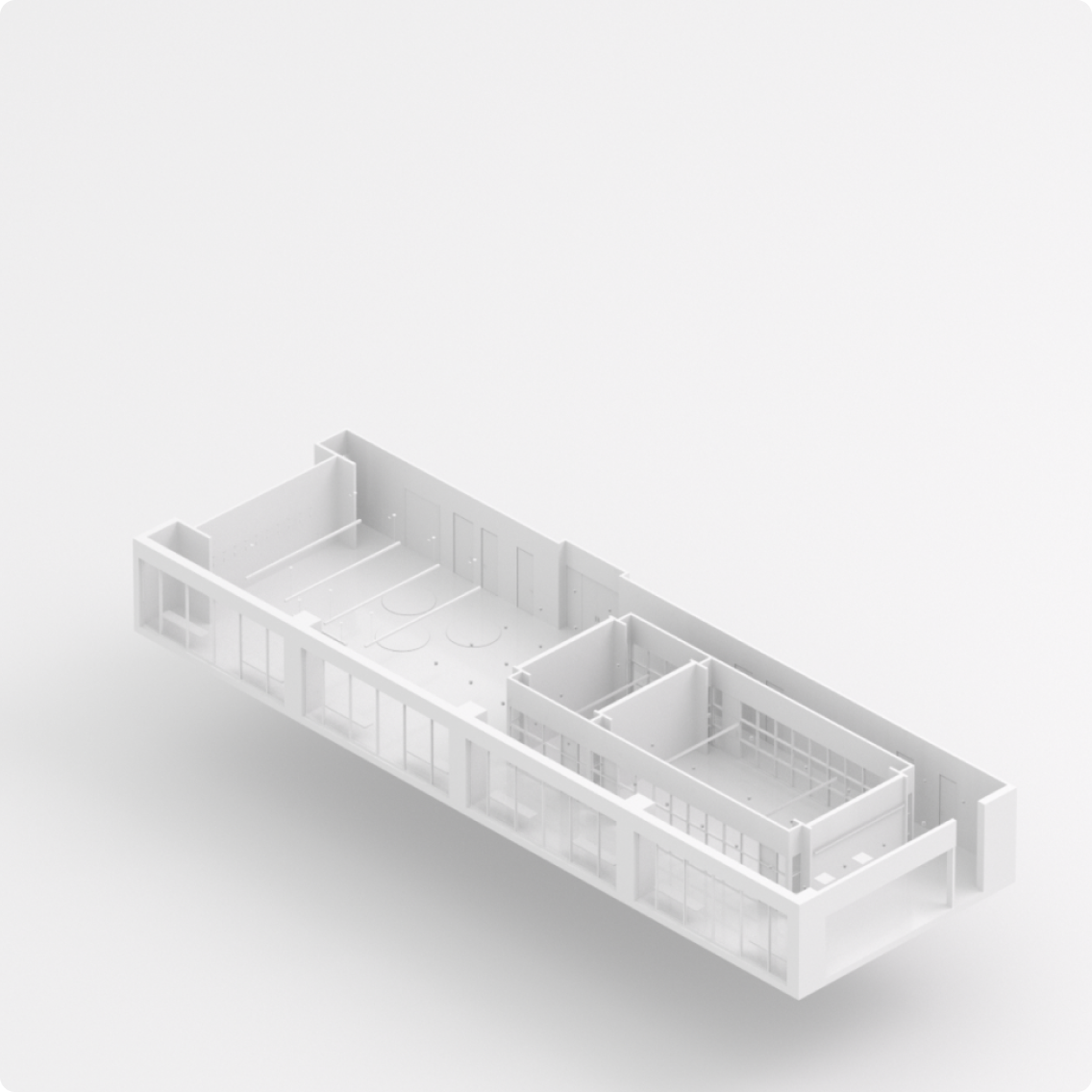
3D BIM - Architecture
This foundational option provides generic models of existing conditions for interior building architecture, including:
- Walls, floors, and ceilings with accurate dimensions
- Doors, windows, and openings
- Stairs, railings, and structural columns
- Interior partitions and core elements
Typical Applications: Office renovations, retail fit-outs, residential remodeling, space planning, and baseline documentation for any interior project.
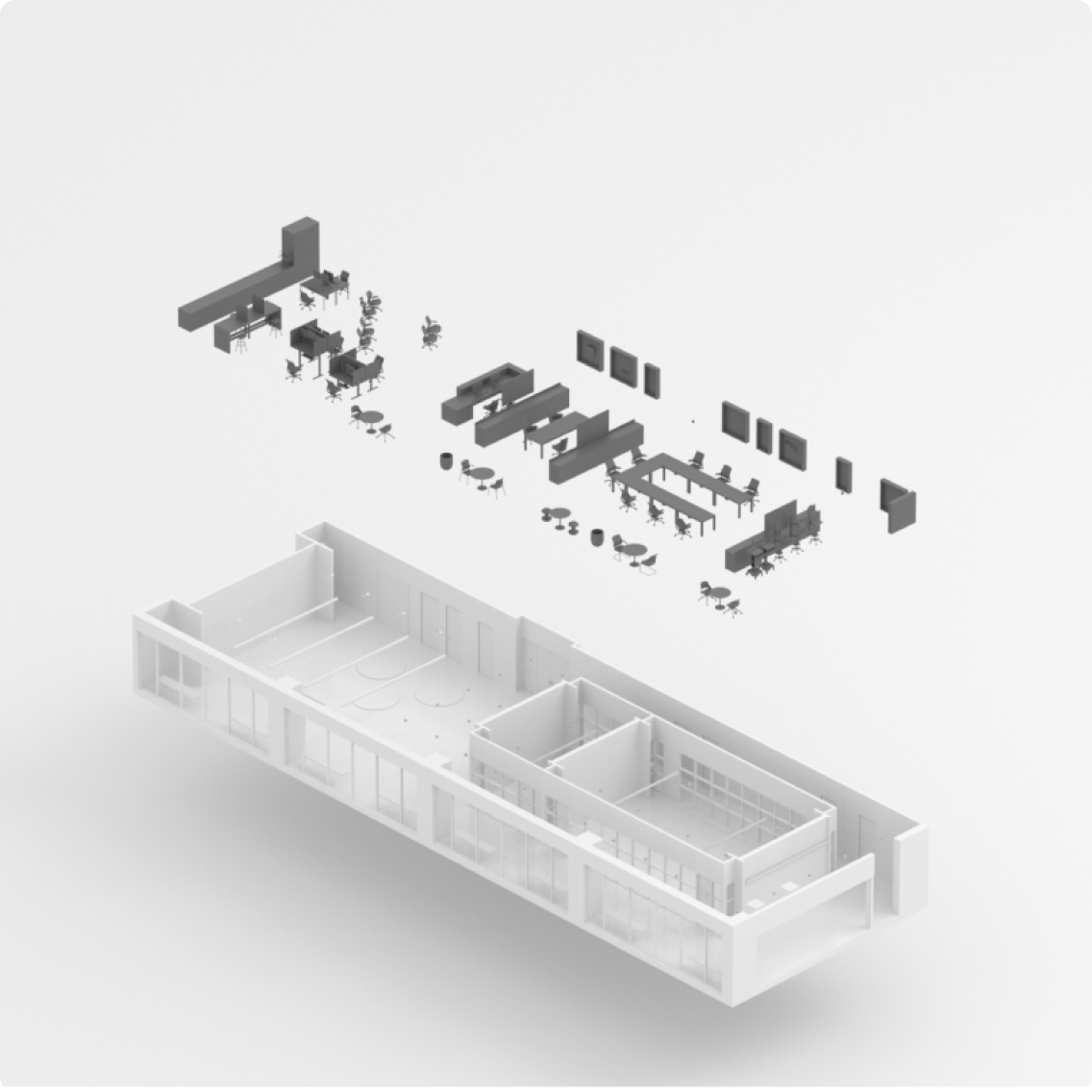
3D BIM - Architecture & Furniture
Building upon the standard architecture package, this option adds non-architectural building elements to provide a more complete picture of the existing space:
- Tables, desks, and seating arrangements
- Cabinets and storage units
- Kitchen appliances and fixtures
- Wall-mounted equipment and shelving
Typical Applications: Office space planning and reconfiguration, restaurant and hospitality design, educational facility planning, furniture procurement and layout verification, and tenant improvement projects where existing furnishings remain.
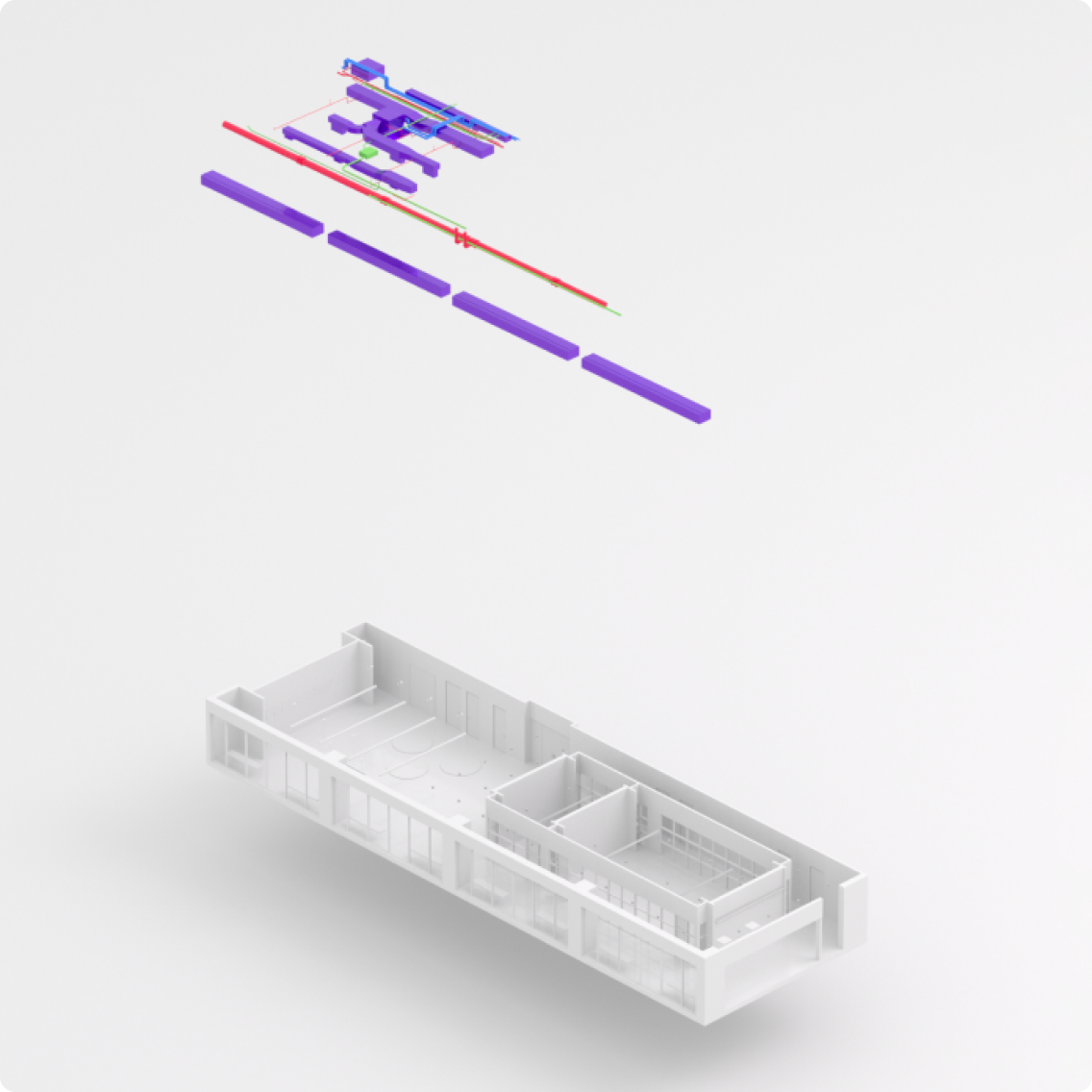
3D BIM - Architecture & MEP
This option captures visible building systems that are critical for renovation and upgrade projects:
- HVAC equipment and ductwork
- Plumbing fixtures and piping systems
- Electrical outlets, panels, and conduit
- Mechanical equipment locations and configurations
Typical Applications: Facility upgrades and system replacements, healthcare and laboratory renovations, data center documentation, industrial facility planning, and code compliance verification.
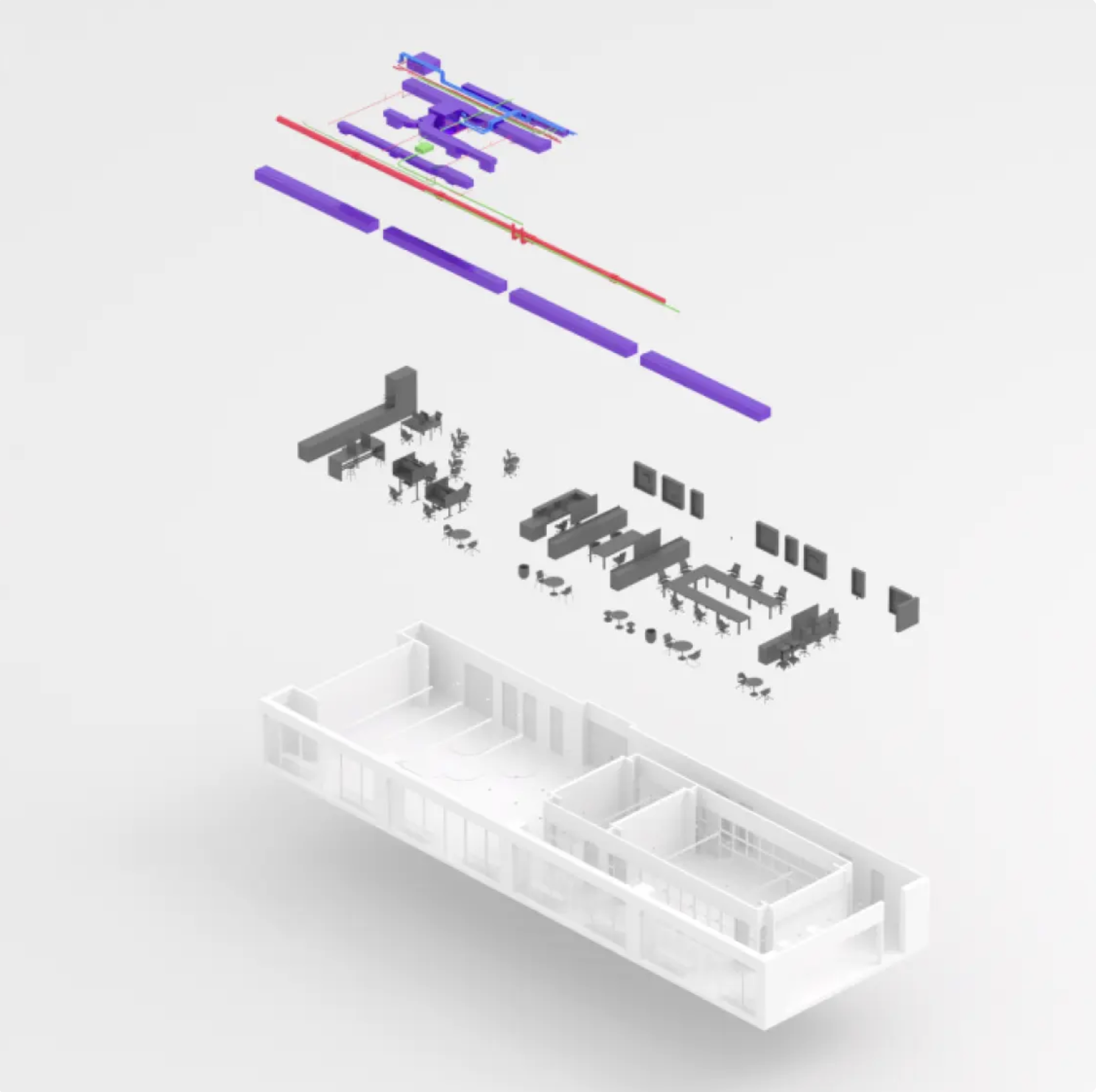
3D BIM - Architecture, Furniture & MEP
The complete package provides the most detailed representation of your space, combining all elements for a near one-to-one digital twin approximation:
- All architectural elements
- Complete MEP system documentation
- Furniture and equipment inventory
- Integrated building systems overview
Typical Applications: Complex renovation projects, multi-phase building upgrades, facility management and operations planning, comprehensive asset documentation, and projects requiring detailed existing conditions across all building systems.
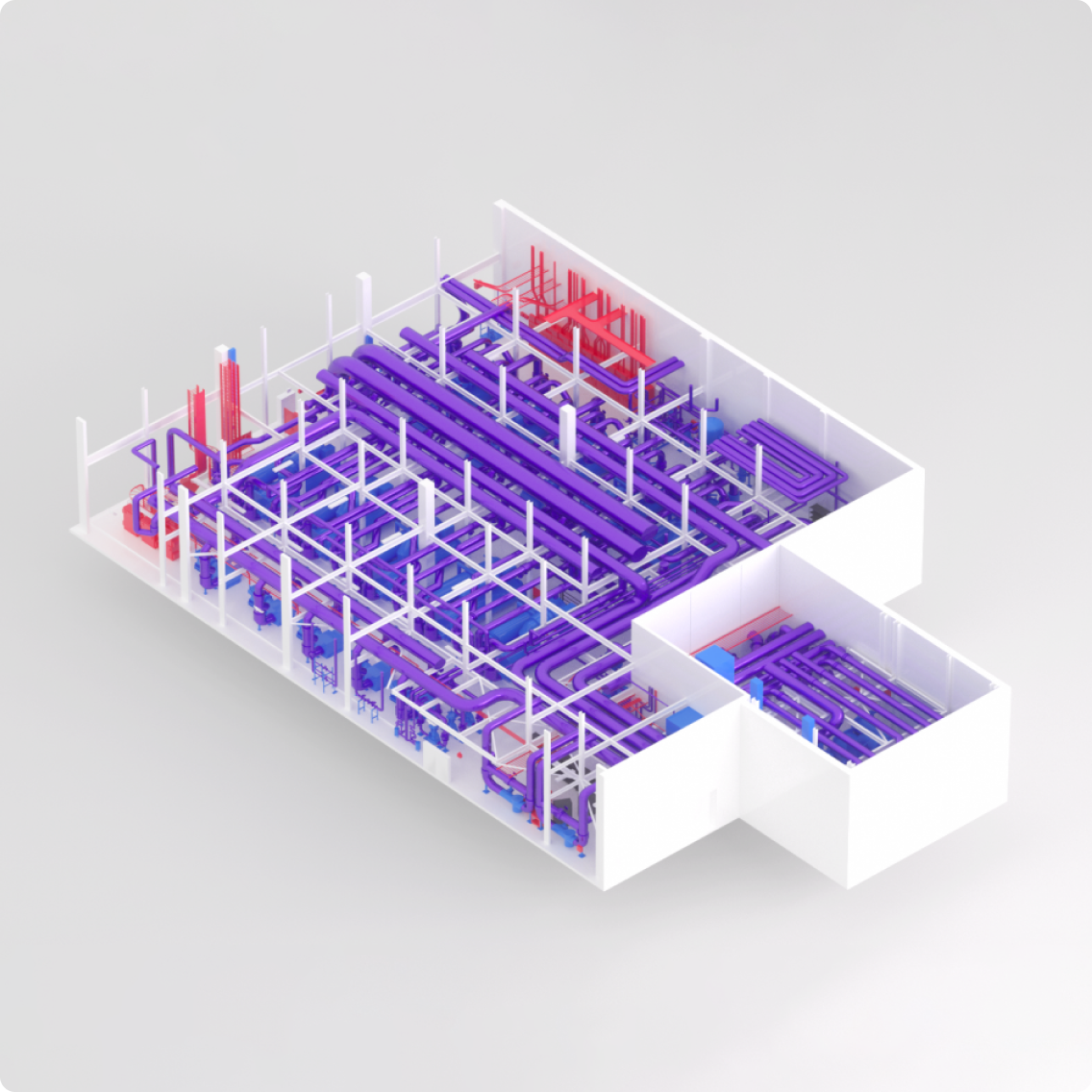
Complex 3D BIM (Specialized Industrial Applications)
Custom-tailored models designed specifically for engineering workflows in complex mechanical and manufacturing environments:
- Detailed mechanical equipment modeling
- Precise piping system configurations
- Equipment sizing and spatial relationships
- High-density component documentation
Typical Applications: Plant rooms and mechanical spaces, manufacturing facilities, fulfillment and distribution centers, industrial processing facilities, and utility and infrastructure projects.
Dimensional Data
Accurate measurements extracted directly from your 3D scan, covering room dimensions, ceiling heights, wall lengths, and spatial relationships throughout the building. Ideal for space planning, lease documentation, dilapidations, and any project where verified measurements are needed without a return site visit.
Delivered as: PDF report, CSV, or Excel spreadsheet.
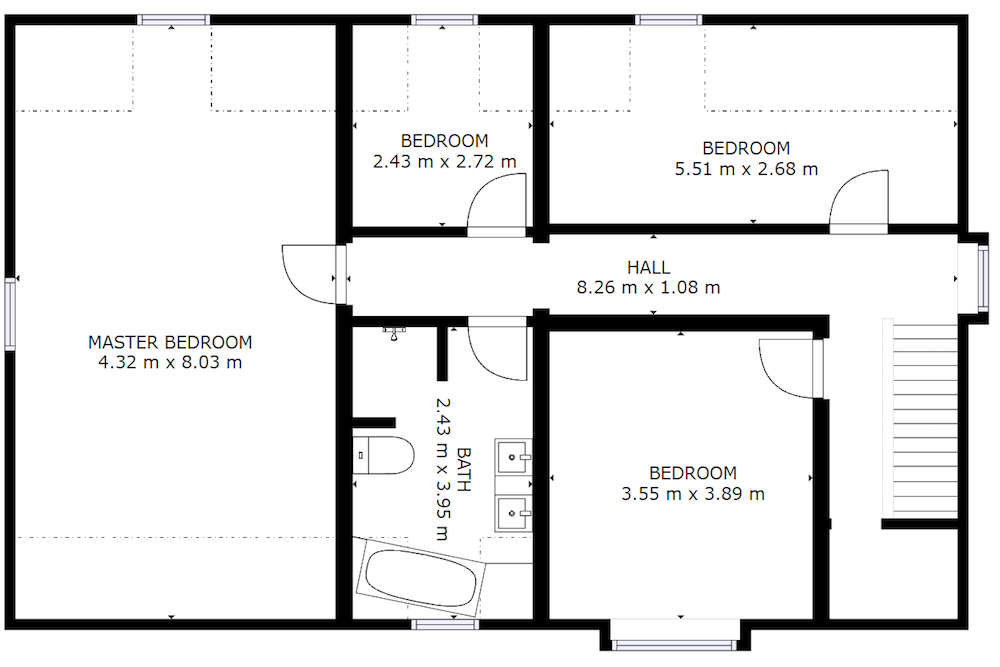
Floor Plans
High-precision schematic layouts generated cleanly from the reality capture data framework, displaying walls, window openings, structural elements, and primary floor infrastructure components.
Delivered as: PDF, PNG, or SVG vector outputs
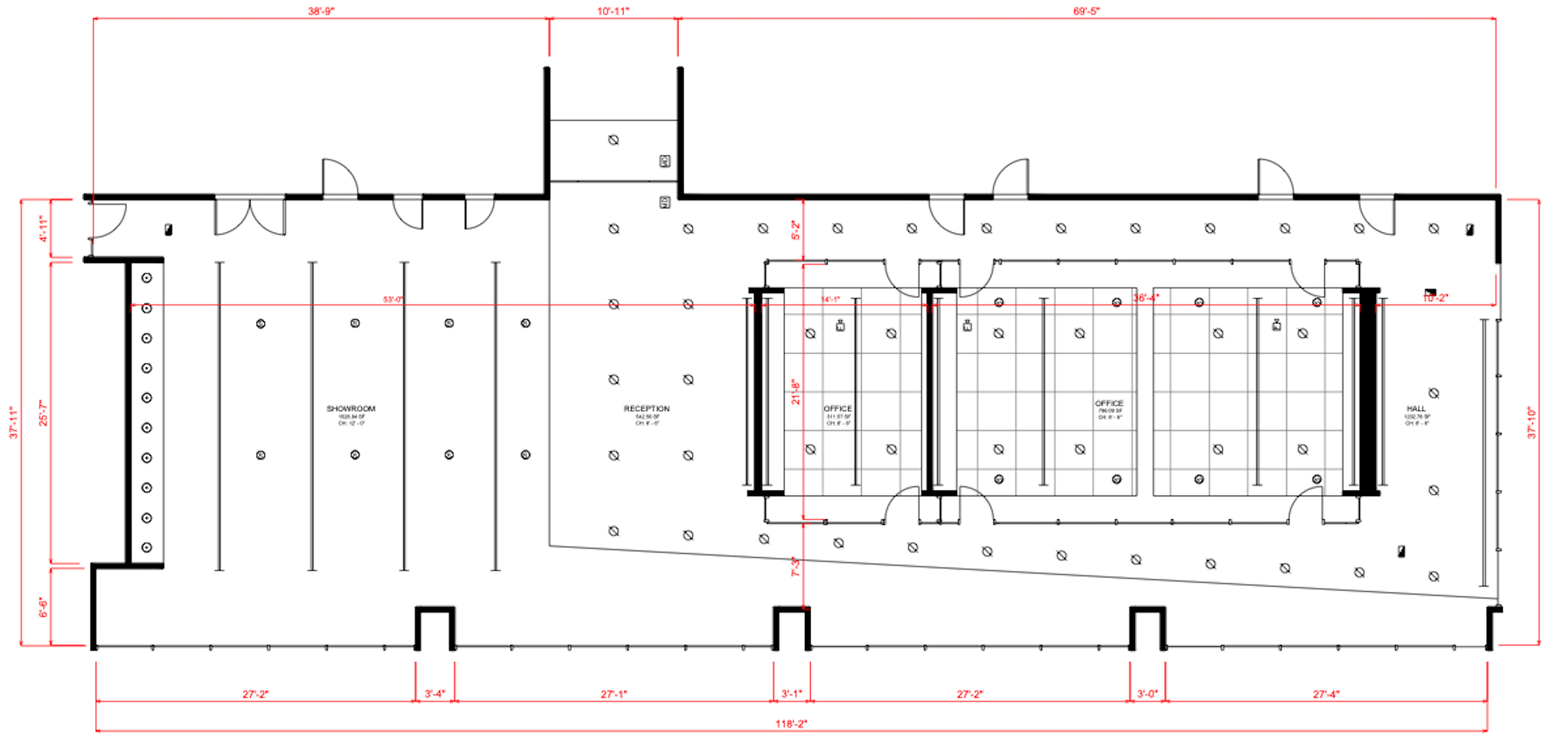
CAD Drawings
Design-ready professional vectors engineered directly from scanning coordinates to form clean, layer-compliant engineering files that integrate seamlessly into your existing workflows.
Delivered as: DWG / Revit compatible native formats
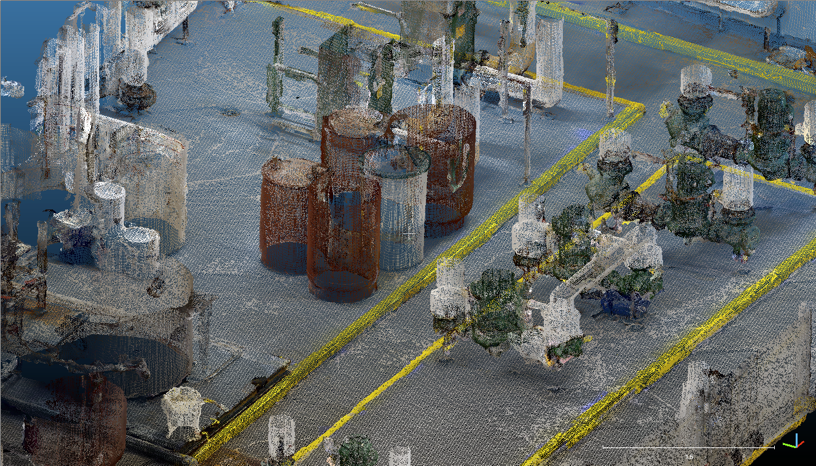
Point Cloud Data
Raw millimetre-accurate spatial point groupings capturing the complete coordinate geometry profile of your asset, ready for integration into advanced analysis and modeling workflows.
Delivered as: Industry standard E57 data formats
3D Mesh Exports
High-fidelity polygon geometry maps translating intricate spatial data structures into lightweight, versatile digital twin surfaces ready for visualisation and immersive exploration pipelines.
Delivered as: Universal OBJ coordinate structures
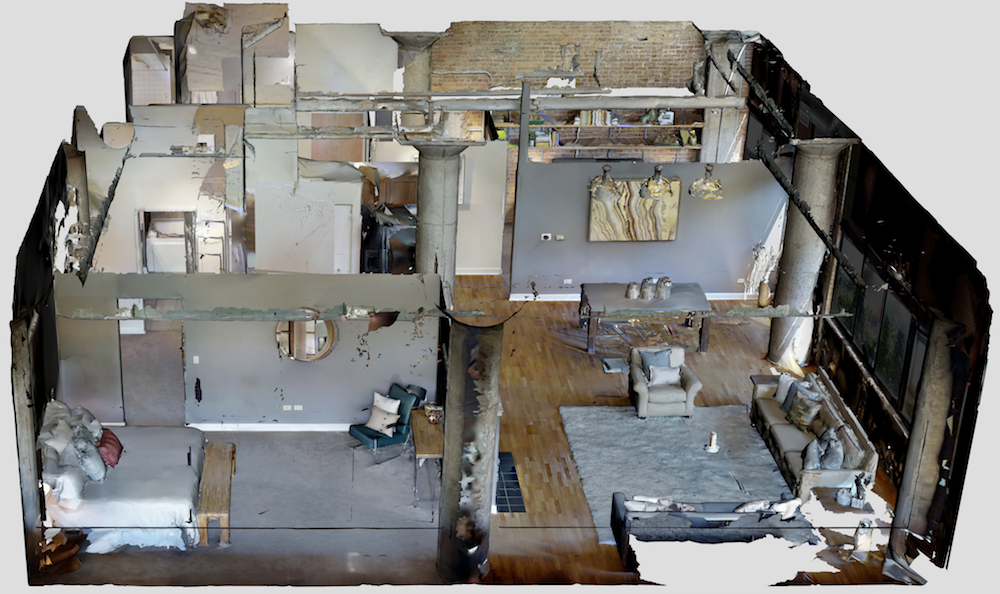
Review sample exports and verify structural accuracy thresholds.
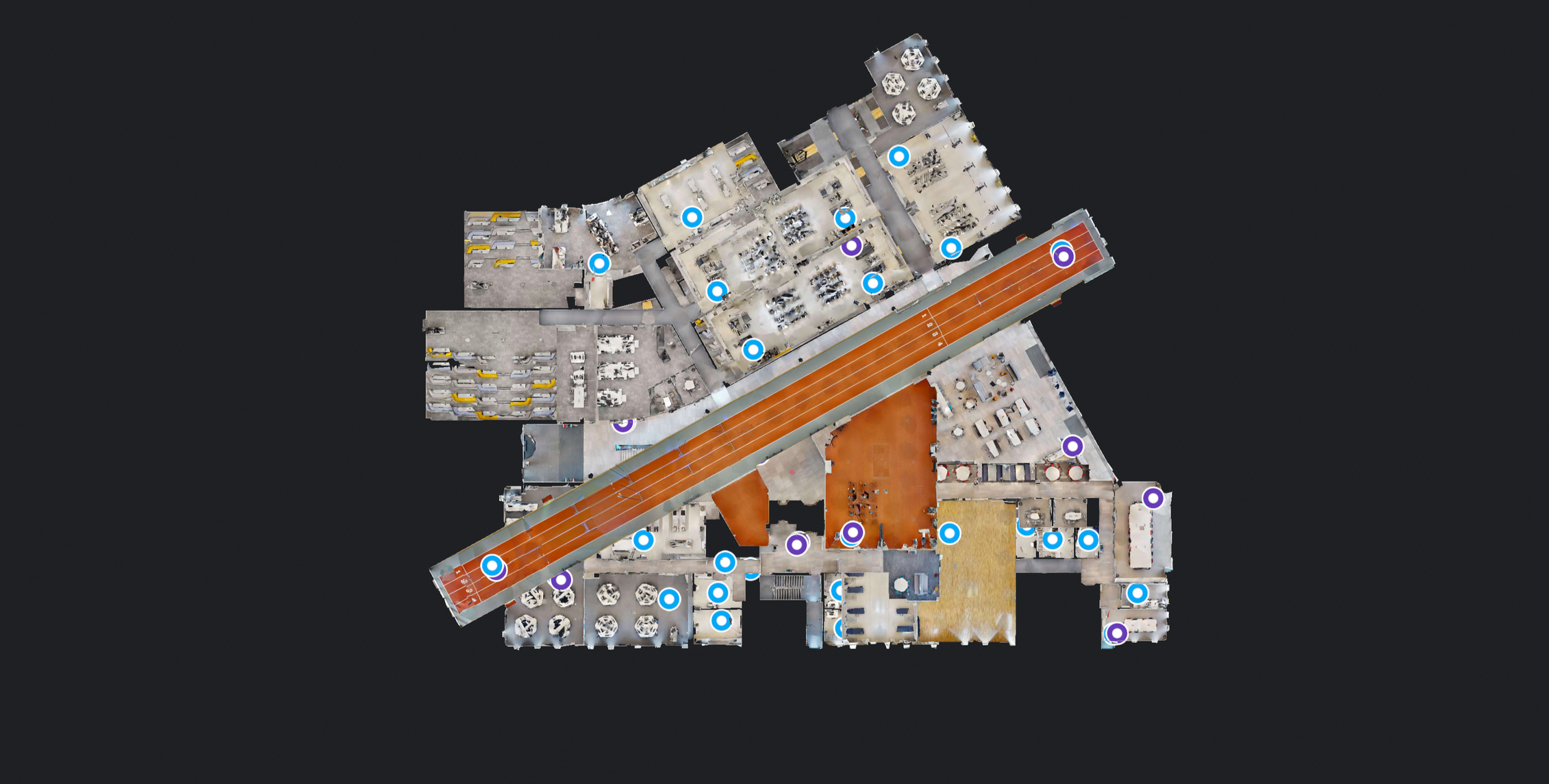
Ready to capture your building?
Get in touch for a no-obligation quote. We cover the whole of the UK/ EU and can typically mobilise within two weeks of instruction.