


Every loss. Every room. Every square metre. Measured and on record.
Twinflow gives insurers, loss adjusters, brokers and restoration contractors an accurate, navigable 3D record of the property in question. Captured once, shared by link, trusted by every party. Pre-loss baselines, post-loss evidence and repair scopes, all from the same data.
Property claims are at record cost. The evidence behind most of them hasn't moved on.
Most claims still start with a phone photo, a tape measure and a site diary. Adjusters drive between appointments to look at rooms they have already seen in pictures. Contractors re-measure what the adjuster measured. When the scope is challenged, nobody can go back to the day of the loss, because the property has already been stripped out, dried and repaired.
Before the loss, the picture is similar. Sums insured are set from old drawings or desktop estimates. Risk surveys sit in PDFs that nobody can walk through. The first time anyone sees the true condition of a roof or a flat roof membrane is the day it lets the water in.
A measurable 3D record of the property, before and after the event, shared with every party.
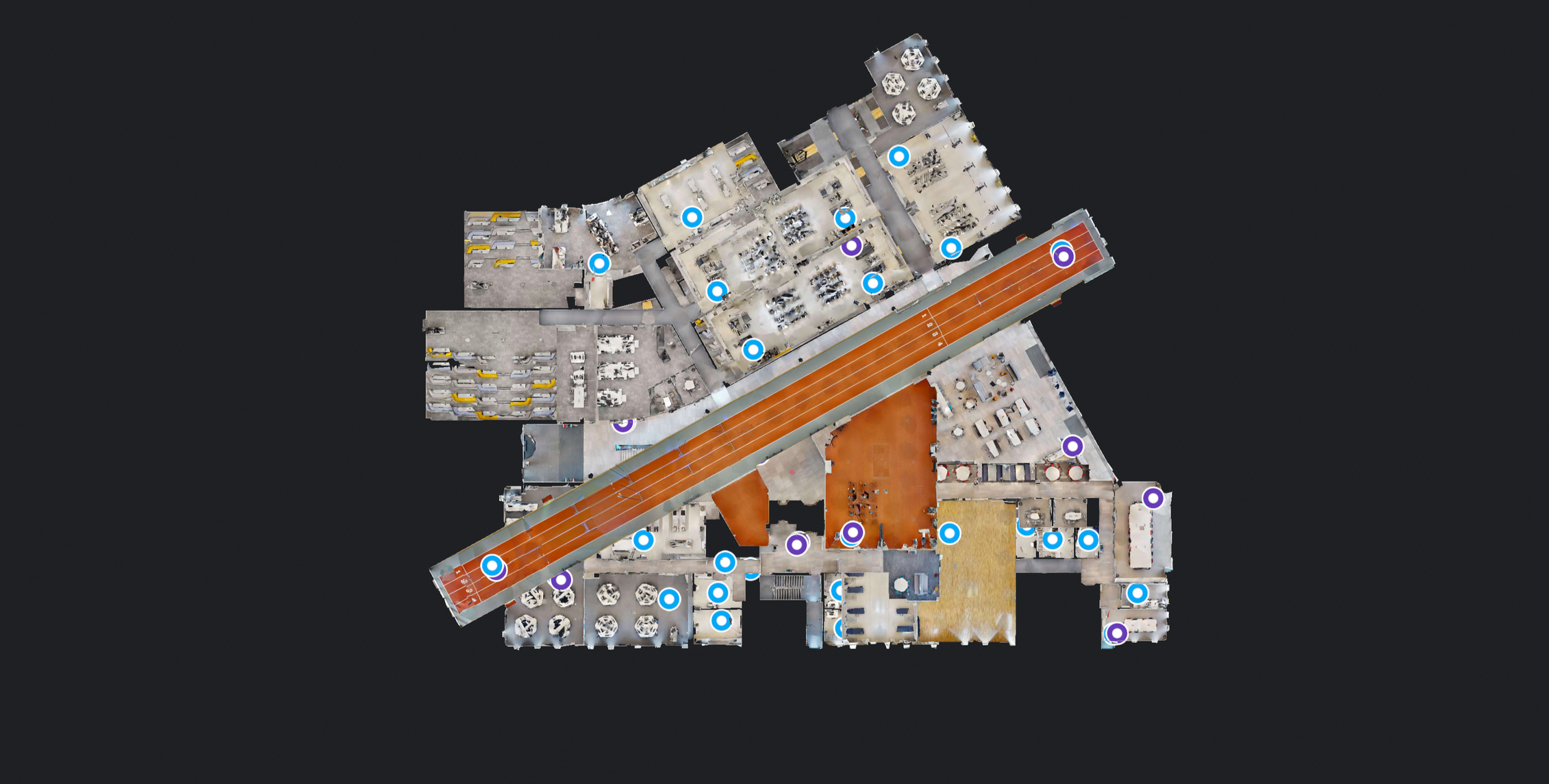
An insurance digital twin is a photorealistic, dimensionally accurate copy of a building that anyone can open in a browser. Underwriters can see the risk as it stands. Adjusters can walk the loss from their desk. Contractors can take quantities straight from the model. Everyone works from the same version of events.
We are vendor-agnostic, so the capture method follows the job. A 360 walkthrough for a domestic escape of water claim. Mobile or terrestrial laser scanning for a fire-damaged warehouse. Drone visual and thermal survey for a roof that keeps leaking.
-
Timestamped and repeatable
Capture before, during and after works, then compare like for like.
-
Measured, not estimated
Floor areas, room dimensions and damaged surfaces taken from real data.
-
Shared by secure link
No software for the insurer, adjuster, contractor or policyholder to install.
Built around the life of a policy, from inception to final account.
Pre-inception condition, construction and occupancy on record.
Measured areas and models for accurate rebuild values.
Assess the damage without a second site visit.
Repair scopes and quantities taken from the twin.
Find escape of water, roof and envelope defects early.
Measured movement, tracked over time.
Rapid capture across large sites and portfolios.
Timestamped evidence that stands up to scrutiny.
01 Risk surveys, underwriting & loss prevention
Underwriting decisions are only as good as the information behind them. Too often that is a proposal form, a few photos and a survey report written months ago by someone who has since moved on.
A twin captured at inception or renewal gives the underwriter and the risk engineer a walkable record of construction type, occupancy, fire protection, housekeeping and condition. It becomes the baseline every future claim is measured against, and it lets risk improvement recommendations be pinned to the exact location they refer to.
In practice
- Capture pre-inception condition for commercial, industrial and high-value residential risks
- Tag sprinkler heads, fire doors, alarm panels, extinguishers and escape routes inside the model
- Pin risk improvement recommendations to the asset they relate to and track completion
- Give underwriters remote access to the risk without a second survey visit
- Hold a defensible record of building safety information for higher-risk residential buildings
02 Reinstatement valuations & accurate sums insured
Underinsurance usually starts with a floor area that was never measured properly, or a rebuild value that was last checked years ago. The average clause does the rest at claim stage, and nobody comes out of that conversation happy.
Twinflow captures the building and produces measured floor areas, room schedules and, where needed, a scan-to-BIM model at the level of detail the valuer requires. Rebuild cost assessments are then based on what is actually there, including the features that drive cost such as basements, heritage detailing and specialist plant.
In practice
- Measured gross internal and gross external floor areas from the point cloud
- 2D floor plans, elevations and sections for valuers and quantity surveyors
- Revit or IFC models for complex, listed or high-value buildings
- Records of fixtures, finishes and specification that affect rebuild cost
- Repeatable recapture so values can be revisited at renewal with confidence
03 First notice of loss & remote loss adjusting
Every revisit to a property adds days to the claim and cost to the file. Most second visits happen because something was missed, a measurement was not taken, or a new party needs to see the damage.
A single capture shortly after the loss gives the adjuster, the insurer, the policyholder's broker and any specialist a shared view of the damage. Measurements are taken from the twin. Notes and photos are attached to the exact wall, ceiling or item they relate to. Desk-based handlers can progress the file the same day.
In practice
- Capture the loss site before strip-out, drying or emergency works change it
- Measure damaged areas, ceiling heights and affected rooms remotely
- Tag damaged contents, fixtures and specialist items in place
- Share secure access with experts, contractors and the policyholder
- Brief business interruption specialists on layout, stock and process areas
04 Restoration scoping, estimating & works sign-off
Restoration contractors and adjusters often measure the same property twice and still disagree on the scope. Variations then follow once works begin and hidden damage appears.
Working from one twin, contractors build their schedule of works from the same measurements the adjuster used. Progress captures during the works show what was opened up and what was found. A final capture on completion closes the file with a visual record of the reinstated property.
In practice
- Take wall, floor and ceiling areas directly from the model for estimating
- Agree scope between adjuster and contractor on the same data
- Record hidden damage at strip-out to support variations
- Document drying, decontamination and remediation stages
- Capture completed works for sign-off and the policyholder's records
05 Thermal, moisture & building envelope diagnostics
Escape of water and roof failures rarely start on the day they are reported. Trapped moisture in a flat roof, a saturated insulation layer or a failing membrane can develop for months before water appears inside.
Drone-based thermal and visual surveys, reviewed by building engineers, find these issues while they are still small. Each finding comes with a likely cause, a recommended action and a priority level. For insurers and risk engineers that means loss prevention with evidence behind it. After an event, the same method establishes where water entered and how far it has travelled.
In practice
- Detect trapped moisture and saturated insulation inside flat roof build-ups
- Identify membrane weak points, façade cracks, corrosion and thermal anomalies
- Establish point of entry and extent of water ingress after a loss
- Engineer-validated findings with prioritised actions ready for costing
- Seasonal and year-on-year surveys to track deterioration across a portfolio
- White-label reports for adjusters, surveyors and risk consultants
06 Subsidence & structural movement monitoring
Subsidence claims are long, expensive and frequently disputed. Crack monitoring by hand produces readings that are hard to compare and easy to challenge, and hot, dry summers are pushing claim volumes up.
Repeat laser scans and geodetic monitoring give a measured picture of how a structure is moving, where, and how fast. Successive captures are compared against the original baseline, so decisions on monitoring, underpinning or repair rest on measured data.
In practice
- Baseline scans of the structure and surrounding ground at first notification
- Cloud-to-cloud comparison to show movement and distortion between visits
- Deformation and displacement monitoring programmes for complex cases
- Crack locations recorded spatially, not just in a spreadsheet
- Evidence packs for engineers, arborists and recovery teams
07 Major loss, catastrophe & portfolio response
After a fire, flood or storm, the site is often unsafe, access is restricted and the clock is running. Large industrial and commercial losses also involve more parties than any single site visit can accommodate.
Twinflow coordinates capture across the whole site, using drones for roofs and areas that cannot be entered safely and mobile scanning for building interiors. For storm or flood events affecting many properties, we run multi-site capture programmes so each property is recorded consistently and every handler sees the same format.
In practice
- Aerial and LiDAR capture of fire-damaged or structurally unsafe buildings
- Fast documentation of large warehouses, factories and retail units
- Consistent capture across many properties after a single weather event
- One shared model for forensic experts, engineers, adjusters and insurers
- Records that remain available long after the site has been cleared
08 Disputes, fraud investigation & subrogation
When a claim is challenged, the quality of the evidence decides the outcome. Phone photos with missing metadata and handwritten notes do not carry much weight in front of an expert or a court.
A timestamped, georeferenced twin with a documented chain of custody provides a record that can be revisited by any party at any time. Pre-loss and post-loss captures can be compared directly. That supports fraud investigation, subrogation against third parties and dispute resolution with the policyholder.
In practice
- Timestamped captures with preserved metadata and documented handling
- Direct comparison of pre-loss baseline against post-loss condition
- Measured evidence to test inflated or inconsistent claims
- Support for recovery actions against contractors, landlords or neighbours
- Shared access for legal teams and expert witnesses
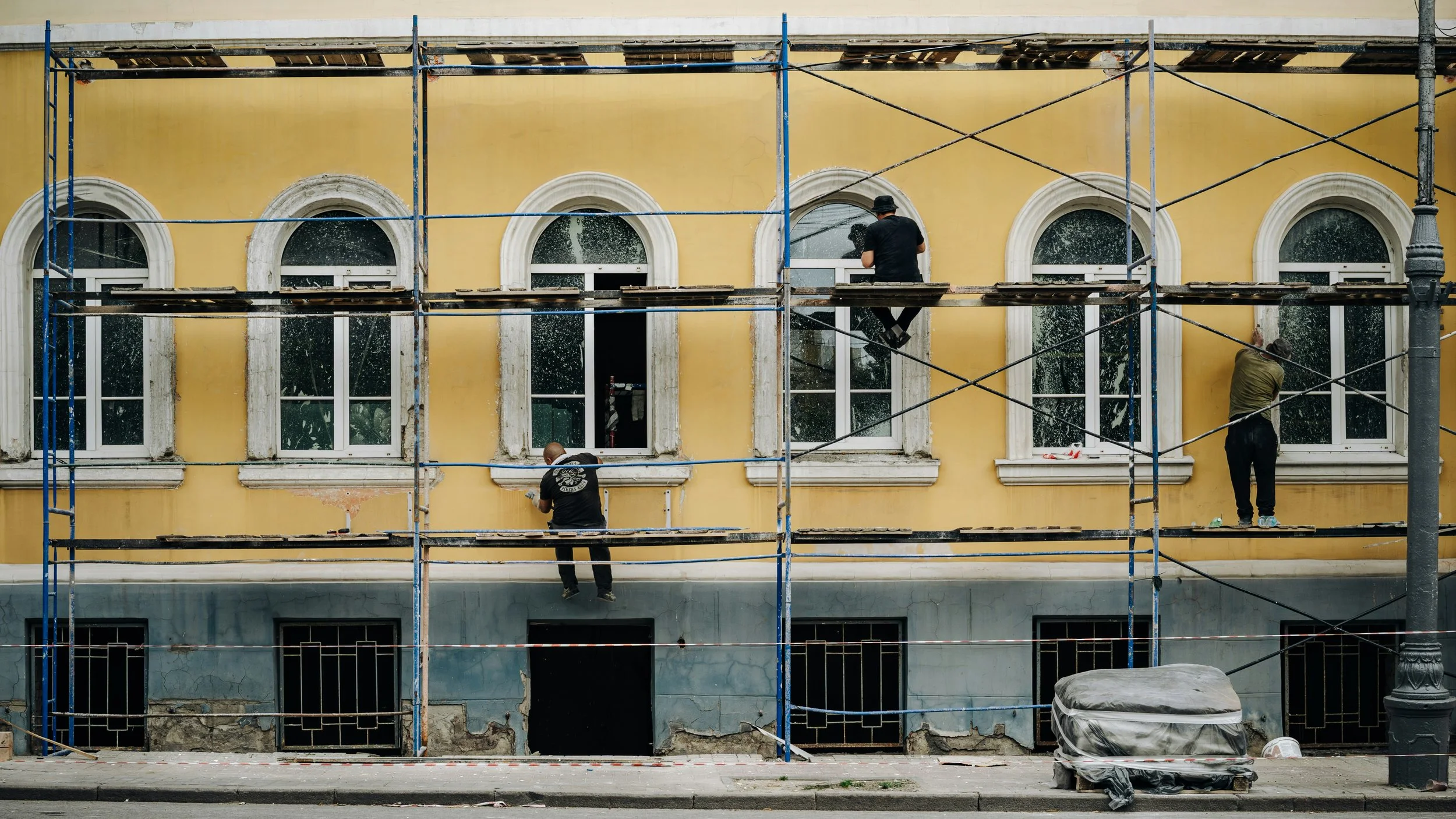
From first call to a twin your team can use, whether it is one live claim or a whole portfolio.
We confirm the properties, the purpose of the data (underwriting, a live claim, a dispute or ongoing monitoring), the accuracy needed and the outputs your team will use. Capture is specified for fitness for purpose, so you never pay for survey grade where a walkthrough will do.
Our capture network mobilises with the right technology for the job: 360 capture such as Matterport for interiors, mobile and terrestrial LiDAR from NavVis, Leica or FARO for large or complex sites, and DJI drones for roofs, façades and thermal work. Visits are planned around occupants, access restrictions and site safety after a loss.
Scans are registered, checked and quality controlled before release. Thermal and moisture findings are reviewed by building engineers. Capture dates, locations and data handling are logged so the record keeps its evidential value if the claim is ever contested.
You receive a secure twin link plus whatever the file needs: floor plans, schedules of areas, E57 point clouds, Revit models, and condition or thermal reports. Reports can be white-labelled for adjusters, surveyors and risk consultants, and data can be passed into existing claims systems.
Progress and completion captures during repairs, recaptures at renewal for underwriting, and scheduled monitoring for subsidence, roofs and building envelopes. Each capture is compared against the last, so change is measured rather than described.
The savings sit inside the claim lifecycle, and in the claims that never happen.
One capture serves the adjuster, insurer, contractor and experts. Revisits to re-measure or show a new party disappear.
Desk-based handlers progress files the day the capture lands, and scope is agreed on shared data instead of competing measurements.
Measured areas and pre-loss baselines make inflated quantities and inconsistent claims easier to spot and challenge.
Reinstatement figures built on measurement reduce underinsurance and the disputes that follow it at claim stage.
Roof, moisture and envelope defects caught early cost a fraction of the escape of water or collapse claim they would have become.
Timestamped evidence with a clear chain of custody supports subrogation and holds up when a claim is contested.
Every class of property risk needs a different kind of evidence.
Offices, retail and mixed-use estates. Baselines at renewal, fast loss documentation and layout records that help quantify interruption.
Escape of water, fire and storm claims, plus detailed records of finishes, fittings and contents for high-value homes.
Detailed capture of architectural features so reinstatement can be specified accurately and like-for-like repairs evidenced.
Large sites, plant and racking captured without stopping production. Built for risk engineering and major loss response.
Progress records during the build, so damage, theft or defects can be dated and measured against what was in place.
Portfolio condition, damp and mould evidence, and building safety information held in one consistent, auditable format.
Hotels, stadiums and visitor attractions where downtime is costly and high-spec fit-outs drive reinstatement value.
High-value plant and tightly controlled environments where accurate as-built and condition records shape the risk.
The people who price the risk, handle the claim and put the building back.
Owns pricing, acceptance and portfolio exposure. Buys a walkable record of construction, occupancy and protection so risks are priced on what is actually there, and every future claim has a known baseline.
Owns survey programmes and risk improvement. Buys capture that lets surveyors revisit sites remotely, pin recommendations to the exact asset and track whether they have been completed.
Owns cycle times, indemnity spend and leakage. Buys a consistent evidence format across the claims book that cuts revisits, speeds up decisions and makes inflated quantities easier to challenge.
Owns the investigation, the scope and the settlement recommendation. Buys a measured record of the loss captured before strip-out, shared with every party, so the file can be progressed from the desk.
Owns the estimate, the works programme and the final account. Buys agreed quantities taken from the twin, evidence for every variation found at strip-out and a completion record for sign-off.
Owns the client relationship and the presentation to market. Buys better risk information for placement, accurate reinstatement values that avoid underinsurance, and a strong position when a client makes a claim.
Know the property before the claim lands.
Whether you need baselines across a portfolio, a faster route through live claims, or diagnostics that catch defects early, we will scope the right capture and the right outputs for your team.