


The NHS estate is being asked for evidence it was never built to provide.
Backlog registers in spreadsheets. Fire strategy drawings from another decade. Plant rooms that only one engineer knows how to navigate. Twinflow turns hospital buildings into accurate, navigable digital twins, then connects them to the compliance, maintenance, capacity and patient experience work that depends on them. Independent of every vendor, and coordinated through one contract.
The Evidence Gap
For years, estate data was treated as an operational nice-to-have. That changed when it became a condition of funding.
The 10 Year Capital Plan commits to a national asset survey to digitise estate condition data. The Premises Assurance Model now asks trusts to show that evidence is recorded, audited and readily accessible from their operational systems. Capital guidance expects asset data to be kept current on SHAPE, new schemes to be recorded there before funding is considered, and validated site development plans to be in place for every site.
Trusts that can evidence the condition of their estate will find capital easier to access. Trusts that cannot will spend the next funding round rebuilding the record first. The gap between the two is widening, and it is almost entirely an information problem.
From that base record, the twin becomes a working layer.
Assets are tagged to their location.
CAFM, BMS and sensor data are connected.
Drawings, condition reports and compliance evidence are pinned to the spaces they describe.
The record stays current because it is part of how the building is run.
Our NHS experience comes from the other side of the table. Before founding Twinflow, our founders led digital twin engagement with NHS trusts and health boards across England and Wales during a senior enterprise role at Matterport, covering everything from a single specialist hospital to a national property portfolio of around 2,500 sites. The lessons from that work shape every healthcare programme we scope: pilot before rollout, plan around cyber and data hosting from day one, and make sure the twin feeds the drawing standards and systems a trust already uses.
A current record of every building, space and asset, accessible to everyone who needs it.
A healthcare digital twin is a photorealistic, dimensionally accurate replica of your estate that anyone can open in a browser. Estates teams can walk a plant room from their desk. Fire safety managers can pull up every compartment breach on a floor. Contractors can see the riser before they arrive. Patients can see the clinic before their appointment.
Six use cases. One independent partner.
Capture the estate once, then use it everywhere.
Evidence you can find, share and defend.
Find the defect before it finds a patient.
From an asset list to an asset you can actually locate.
Let people see the space before they walk into it.
Test the decision before you make it.
01 Estate record & survey
Capture the estate once, then use it everywhere.
Most trusts hold a patchwork of CAD drawings, partial surveys and scan data that no longer matches the building. We create a single, accurate record across wards, theatres, plant rooms, basements and external areas. The capture method is chosen to fit the requirement: documentation grade for FM records, survey grade where tolerances genuinely matter. Existing scan libraries, including Matterport data many trusts already own, are reused wherever they are still good.
In practice
- 3D capture of clinical, non-clinical and plant spaces, phased around clinical activity and infection control
- Floor plans, elevations and sections produced from scan data to your trust's CAD standards
- Scan-to-BIM at defined levels of detail for refurbishment and redevelopment
- Space and area measurement to support ERIC returns, utilisation reviews and recharging
- Consolidation of legacy scans and drawings into one navigable record
One visit produces a reusable record that serves estates, capital projects, fire safety and FM, instead of each team commissioning its own survey.
02 Fire safety & compliance evidence
Evidence you can find, share and defend.
Hospitals carry some of the most complex fire strategies in the built environment, with progressive horizontal evacuation, dependent patients and constant alteration by contractors. When the evidence behind the strategy lives in folders and outdated drawings, every audit and every incident becomes a search exercise. A twin puts compartmentation, fire doors and fire strategy information in the location it describes, with a visual record of the building as it actually stands.
In practice
- Fire compartmentation surveys with a visual record of every penetration and barrier
- Fire door condition surveys linked to location in the model
- Fire strategy drawing updates based on current conditions
- Evidence structured to support the Premises Assurance Model and Fire Safety Order duties
- Pre-incident baseline records for audit, insurance and post-event investigation
Compliance evidence is readily accessible from an operational system, which is exactly what PAM now asks trusts to demonstrate.
03 Condition, energy & backlog
Find the defect before it finds a patient.
Roof leaks over clinical areas, failed insulation and façade deterioration drive a large share of backlog and a disproportionate share of disruption. Drone thermal and visual inspection finds moisture intrusion, insulation failure, cracking and corrosion that ground-level surveys miss, and engineer validated reporting turns the findings into prioritised actions. The same data quantifies heat loss and carbon impact for net zero plans.
In practice
- Drone thermal and visual inspection of roofs and façades without scaffolding or rope access
- Engineer validated findings with cause, recommended action and priority level for each defect
- Heat loss and CO2 impact calculations to support Greener NHS and decarbonisation plans
- Structured condition data feeding six-facet surveys and backlog prioritisation
- Year-on-year comparison to track deterioration and validate completed repairs
Backlog spend is targeted at the defects that matter most, with evidence strong enough to support a capital bid.
04 Facilities management & live building data
From an asset list to an asset you can actually locate.
An asset register only helps if engineers can find the asset it describes. We link every tagged asset to its position in the twin and connect the twin to the systems your estates team already runs, from CAFM and enterprise asset management to building management systems and sensors. The result is a record that reflects the building today rather than the day it was surveyed.
In practice
- Asset register creation, cleansing and physical tagging (QR, RFID, barcode) linked to location
- Integration with CAFM and enterprise asset management systems, including IBM Maximo
- Planned maintenance scheduling and work orders tied to the spatial record
- BMS, energy metering, temperature, humidity and water temperature monitoring in one view
- Privacy-preserving camera analytics for occupancy, queue monitoring and fall detection
Faster fault response, fewer repeat contractor visits and a maintenance programme that can be evidenced asset by asset.
05 Wayfinding & patient experience
Let people see the space before they walk into it.
Hospital campuses are hard to navigate, and a patient at the wrong entrance is a missed slot. For many services, especially mental health, learning disability and dementia care, unfamiliar environments add anxiety that affects attendance and outcomes. Virtual walkthroughs let people prepare in advance, and indoor wayfinding built on the twin guides them on the day. The same maps help staff locate mobile equipment across wards.
In practice
- Indoor maps and turn-by-turn navigation, including step-free and accessible routes
- Virtual walkthroughs embedded in appointment letters, patient apps and trust websites
- Pre-visit preparation for mental health, learning disability and substance misuse services
- Virtual visits for dementia and care settings where families need to see a placement but in-person visits are hard to arrange
- Location of mobile medical equipment and bookable rooms across the site
Patients arrive prepared and on time, frontline staff spend less time giving directions, and services become more accessible to the people who find hospitals hardest.
06 Simulation, planning & training
Test the decision before you make it.
Once a twin exists, it can be used to model how the hospital behaves under different conditions. Simulation partners model patient flow, bed capacity and winter demand. Environmental modelling tests airflow for infection control and evacuation of dependent patients. For capital schemes, the twin carries from construction into day-one operations, and for staff it becomes a training environment that never takes a ward out of service. A published NHS foundation trust example modelled two acute hospitals and 75 units, letting managers test queue, length of stay and new ward scenarios without disrupting live services.
In practice
- Patient flow, emergency department and bed capacity modelling, including winter stress-testing
- Airflow and ventilation modelling for infection prevention, isolation rooms and theatres
- Fire and evacuation simulation for progressive horizontal evacuation of non-ambulant patients
- As-built capture, progress monitoring and handover verification on new build and refurbishment schemes
- VR induction, evacuation drills and equipment training in a virtual copy of the real ward
Capacity, redevelopment and safety decisions are tested virtually first, reducing the cost and clinical risk of getting them wrong.
From first scope to a working twin, around your clinical operations.
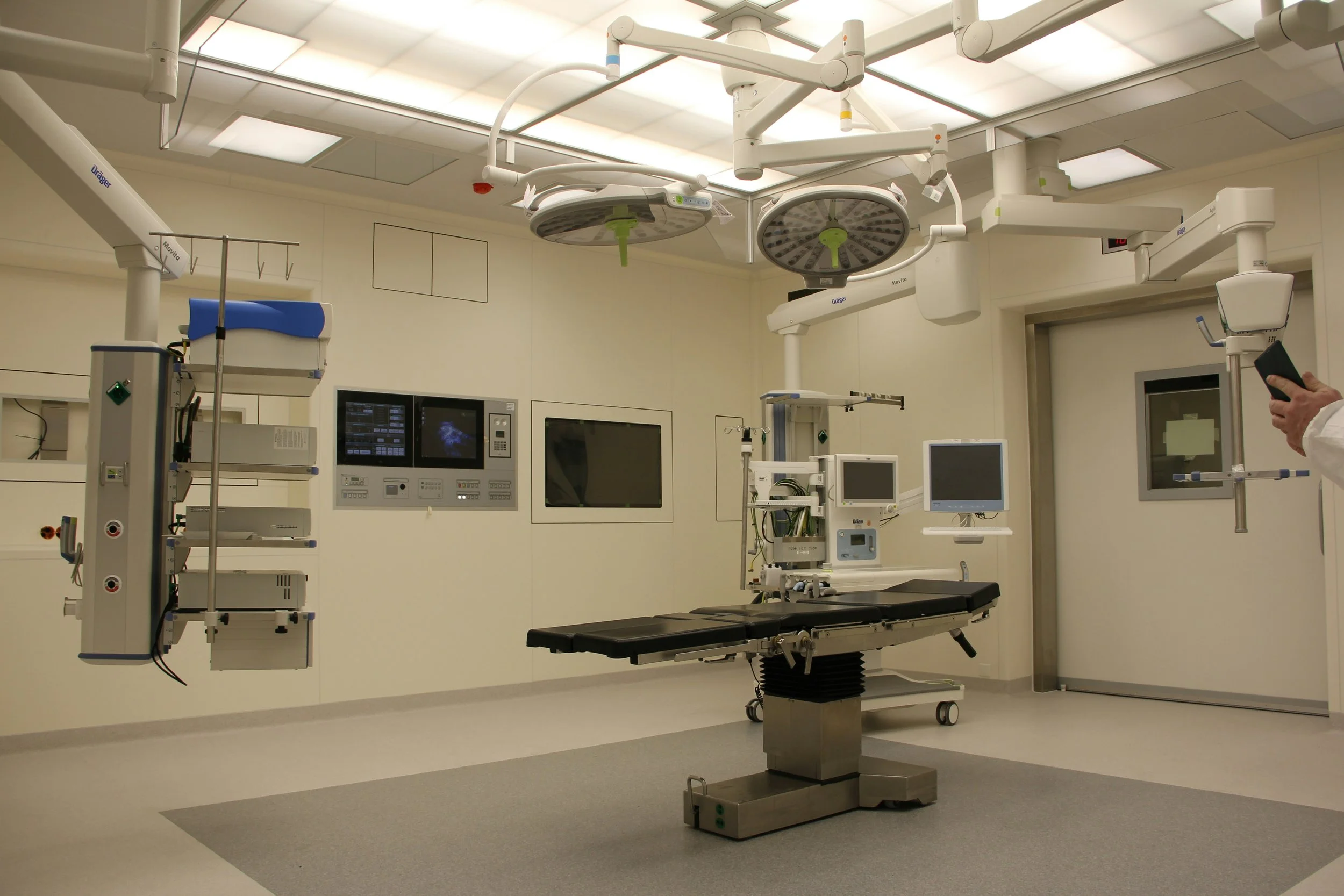
We start with what you are trying to fix, what data you already hold and which deadline matters most. Most healthcare programmes begin with a defined pilot, such as a set of plant rooms, a single floor or one compliance workstream, with clear success measures agreed up front.
Capture is planned around clinical schedules, infection control requirements and out-of-hours access. The technology is matched to the requirement, from fast documentation capture to survey grade scanning and drone inspection, and phased so services keep running.
Your twin is processed and published within 24 to 48 hours of capture, with drawings, reports and assets added to it. Hosting options, including UK data residency, single sign-on and multi-factor authentication, are agreed at scoping. The first three months of hosting are free, so you can confirm value before committing.
The twin is connected to CAFM, BMS and the systems you already run, then extended into the use cases that follow naturally: compliance, condition, wayfinding and simulation. Data ownership and portability are written into scope from the start.
The cost of not knowing your estate is already on the balance sheet.
Every trust is already paying for poor estate information. It shows up as repeat surveys, contractor visits that start with a search, reactive repairs that could have been planned, compliance audits that take weeks to evidence, and capital bids that stall for lack of data. A digital twin replaces that recurring cost with a single, reusable record. The estate information you need for PAM, SHAPE and your capital plan is the same information that makes the building cheaper to run.
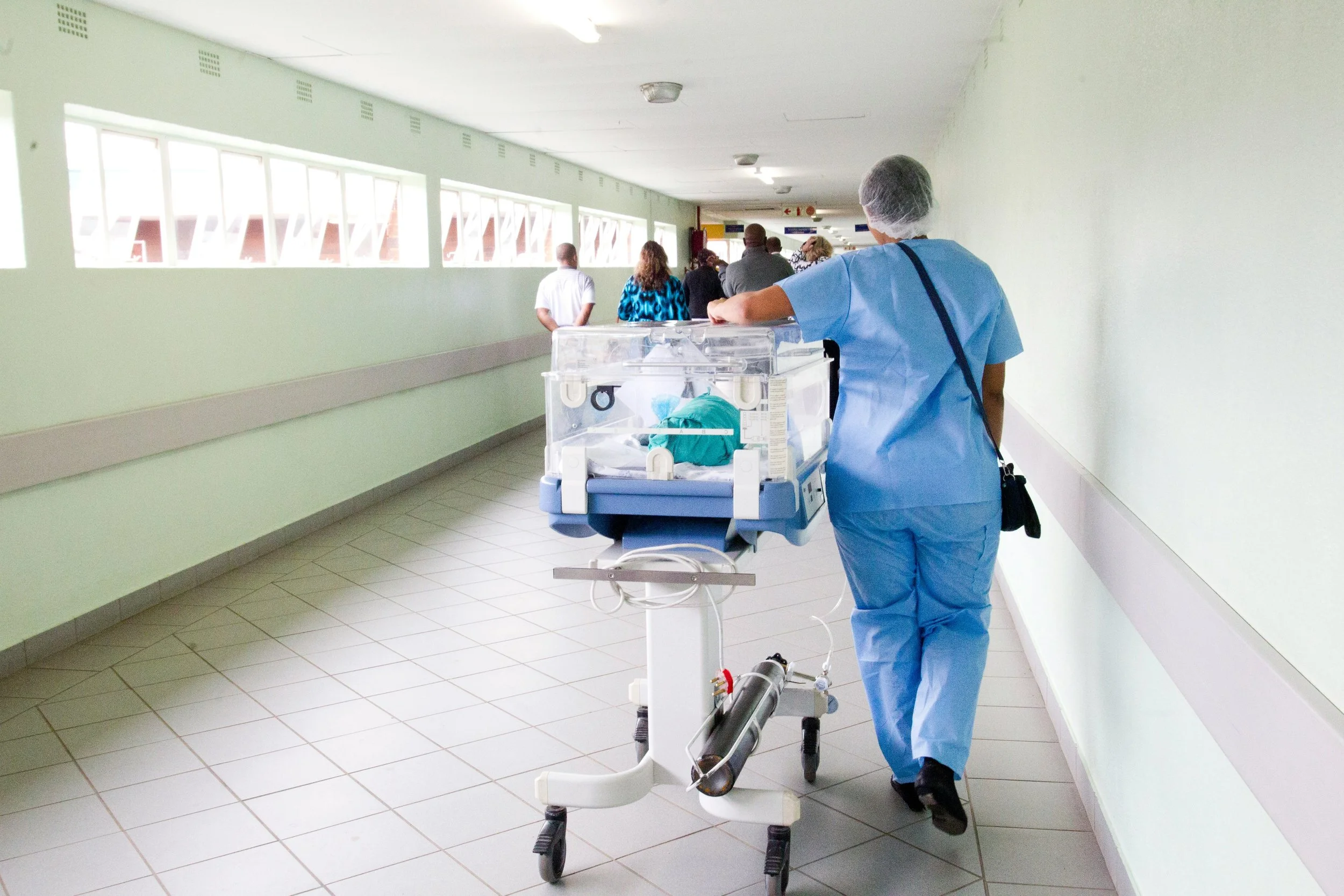
Every healthcare setting has a different definition of a good record.
Complex multi-building sites where plant, compartmentation and backlog data carry the greatest risk.
Virtual walkthroughs and pre-visit preparation that reduce anxiety and stigma, alongside ward upgrade records.
Large numbers of smaller buildings needing consistent condition and asset data across a portfolio.
High-value clinical and research spaces where accuracy, infection control and change management are critical.
National and regional portfolios building a consistent estate record across hundreds or thousands of sites.
System-level estates strategy, shared estate planning and consolidation across partner organisations.
Private providers with the same compliance and patient experience pressures and leaner estates teams.
Virtual visits for families, accessibility information and fundraising content for public-facing spaces.
The people who keep healthcare buildings running.
Owns the backlog, the PAM submission and the case for capital. Buys a digital twin because it is the most efficient way to evidence estate condition and keep that evidence current, across every site they are responsible for.
Owns redevelopment, refurbishment and new build schemes. Buys accurate existing conditions, as-built records and a clean handover, so the building starts operations with a record instead of a box of drawings.
Owns the fire strategy, compartmentation and fire door programmes across a constantly changing estate. Buys a visual, location-linked evidence base that stands up to audit, inspection and post-incident review.
Owns decarbonisation targets and Green Plan reporting. Buys thermal and energy data that shows where heat is being lost and which retrofit investment returns most.
Owns cyber, data hosting and system integration, and often holds the veto. Needs confidence that the platform meets NHS security requirements, integrates with existing systems and leaves the data portable.
Owns accessibility, patient information and the public face of the trust. Buys virtual walkthroughs and wayfinding that help patients and families arrive prepared, especially for services people find hardest to visit.
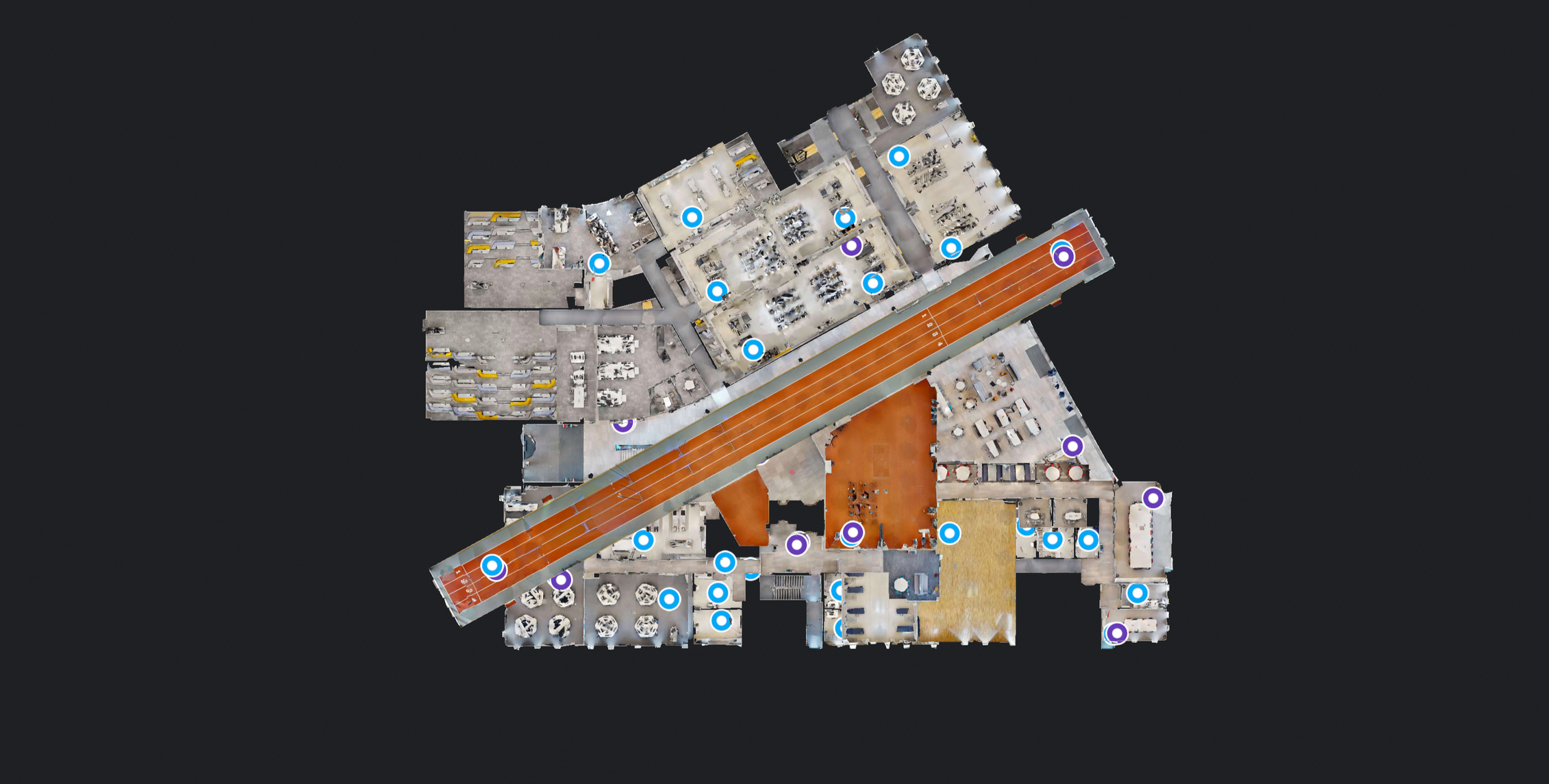
Start with the problem, not the technology.
Whether you are preparing for PAM, building a case for capital, planning a redevelopment or trying to help patients find their way, the first conversation is the same. Tell us what you need to fix, what data you already hold and which deadline matters most. We will show you the proportionate way to get there, and we cover the whole of the UK.