


Every service charge you issue is an invoice somebody can challenge. Evidence what it paid for.
Block management runs on trust that is getting harder to earn. Service charges are rising faster than inflation, leaseholders are better informed than they have ever been, and a charge that cannot be justified is now a lending and resale problem as well as a dispute. Twinflow captures the common parts you are responsible for, dated and measurable, so the money has something behind it.
Service charges are outpacing inflation and the evidence behind them has not kept up.
Service charges apply to 3.38m flats in England, and they have risen faster than prices generally: 55.6% over ten years against CPI of 39.8%. Leaseholders compare notes, buyers and lenders look at the figure, and a charge above 1% of a flat's value now makes a sale harder. When someone asks what a charge actually paid for, an invoice answers the cost but not the condition of the building.
A dated, measurable record of the common parts: the spaces you are responsible for and charge for.
Twinflow captures everything a block manager is accountable for outside the front doors: entrance halls and lobbies, stairwells and corridors, lifts and lift lobbies, roofs and roof plant, plant and tank rooms, bin and bike stores, car parks, grounds and boundary treatments.
Nothing inside a demised flat is captured. The common parts are what you manage, what the service charge pays for, and what gets argued about, so they are the whole scope. That also removes the resident access and consent problem entirely, which is why a block can be captured in a single visit with no notice period and no cooperation required from leaseholders.
Built for the moments a block manager has to prove something.
Show leaseholders what they are being asked to fund.
Answer the challenge with a dated record.
Three quotes without three site visits.
As-built information for higher-risk blocks.
Inherit a block with a record instead of a filing cabinet.
Evidence condition before the loss, not after.
Inspect fifty blocks from one desk.
Fewer arguments conducted in the dark.
01 Major works consultation and evidence
Show leaseholders what they are being asked to fund.
In practice
- Condition captured and dated before consultation, supporting the case for the works
- Roofs, plant rooms and risers shown to leaseholders who would never otherwise see them
- Scope and quantities taken from measured reality rather than an estimate
- Completed works captured and presented against the pre-works record
02 Service charge queries and dispute defence
Answer the challenge with a dated record.
In practice
- Condition at a specific date evidenced rather than described
- Works completed and evidenced against the scope that was consulted on
- Queries answered with a link rather than a site visit and a written account
- Reserve fund and cyclical works arguments supported with visible condition
03 Contractor quoting and specification
Three quotes without three site visits.
In practice
- Model issued with the enquiry so every contractor prices the same scope
- Site visits reduced or removed from the quoting stage
- Access constraints, scaffold positions and storage understood before mobilisation
- Fewer variations founded on conditions differing from what was described
04 Building safety and the golden thread
As-built information for higher-risk blocks.
In practice
- Common parts, risers, plant rooms and escape routes captured and dated
- As-built condition recorded where original drawings are absent or superseded
- Information maintained as the building changes rather than fixed at one point
- Fire safety and compartmentation surveys supported with measured context
05 Agent handover and new instructions
Inherit a block with a record instead of a filing cabinet.
In practice
- Block captured at the point of instruction, creating a dated starting position
- Condition inherited from the outgoing agent evidenced rather than assumed
- Record travels with the block if management changes again
- Used in tenders and pitches for new management instructions
06 Insurance, claims and reinstatement
Evidence condition before the loss, not after.
In practice
- Condition of common parts recorded before any loss occurs
- Claims supported with dated evidence rather than post-incident inference
- Loss adjusters assess remotely where appropriate, speeding settlement
- Reinstatement and repair scoped from measured dimensions
07 Portfolio surveys without the travel
Inspect fifty blocks from one desk.
In practice
- Routine condition checks carried out from the model between physical inspections
- Reported defects assessed before deciding whether a visit is needed
- Works verified against the record without a return journey
- New staff familiarised with a portfolio before visiting any of it
08 Leaseholder and resident communication
Fewer arguments conducted in the dark.
In practice
- Common parts shown to leaseholders who have never seen the roof or plant room
- Works progress communicated visually rather than in a newsletter paragraph
- RMC and RTM directors given the same information the agent works from
- Overseas and buy-to-let owners able to see the building they part-own

A six-stage programme that starts with the blocks that need it most.
We agree which blocks justify capture first. Higher-risk buildings, blocks with major works coming, blocks in dispute, and new instructions are the usual priorities. Capturing everything at once is rarely the right answer.
We agree what is captured and how the cost is treated. Whether it sits in the service charge, the management fee or a project budget is your decision, but it needs making before anything is booked.
Common parts need no resident consent and no notice period, so scheduling is a matter of key access and a convenient window. Most blocks are captured in a single visit.
A single attendance covers entrance, circulation, plant, roof, stores and external areas. Nothing inside a demised flat is entered or recorded.
Processed into a measurable model and delivered against an agreed structure, so blocks across a portfolio are organised consistently.
Used for consultation, quoting, queries and claims. Blocks are recaptured after major works, after a change of management, or on whatever cycle suits the portfolio.
Block management runs on thin fees and other people's money. The case has to work on both.
- Site visits avoided across a dispersed portfolio
- Contractor visits avoided at quoting stage
- Leaseholder queries answered in minutes rather than a half day
- Fewer variations claimed on grounds that conditions differed from the description
The average service charge is now £2,405 a year and has grown 55.6% in ten years against CPI of 39.8%. 37% of flats now carry a charge above 1% of value, and flats at or below that threshold were 50% more likely to secure a buyer. A charge that cannot be justified is a resale and lending risk for every leaseholder in the block.

Engineered for every agent, owner and block type.
The core buyer. Multiple blocks, multiple clients, dispersed geography, fee pressure.
Leaseholder-controlled. Smaller budgets, higher scrutiny, a board that answers to neighbours.
Hold the asset, carry reinstatement exposure, often have the weakest picture of condition.
At or above 18 metres or seven storeys. Building Safety Act duties apply.
Apportionment arguments are constant and the common parts are shared across tenures.
One owner, professional operator, no service charge dispute risk. Easiest commercially.
Higher communal provision, more shared amenity, residents and families who want to see it.
Every stakeholder across the block management operation.
Covering a portfolio without living in the car.
Property managers per block, consistency across the portfolio.
Holding accurate building information for higher-risk blocks.
Scoping, consulting, tendering and defending the cost of a programme.
A leaseholder who volunteered and gets stopped in the car park about it.
Whether the cost is recoverable and whether it will survive a challenge.
A visible standard of information is a differentiator when winning instructions.
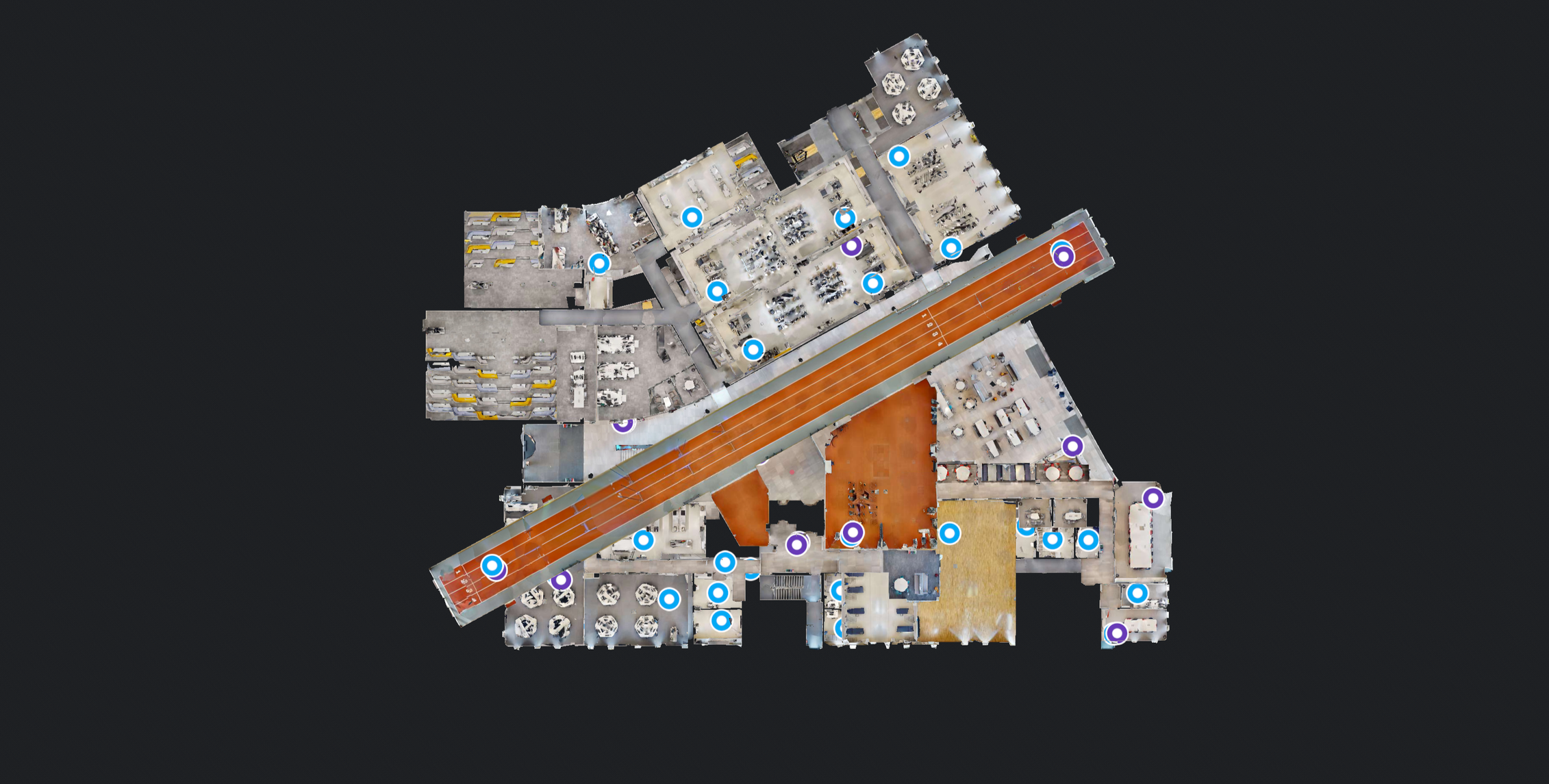
Start with one block.
Not a portfolio programme, but one block where something is already happening: a major works consultation coming up, a new instruction starting, a dispute running, or a higher-risk building with an information gap. Capture it, use it for that one job, and judge the rest from there.
Vendor-neutral. We are not reselling a platform, so the advice on what to capture and what not to bother with is not a sales pitch for software.