

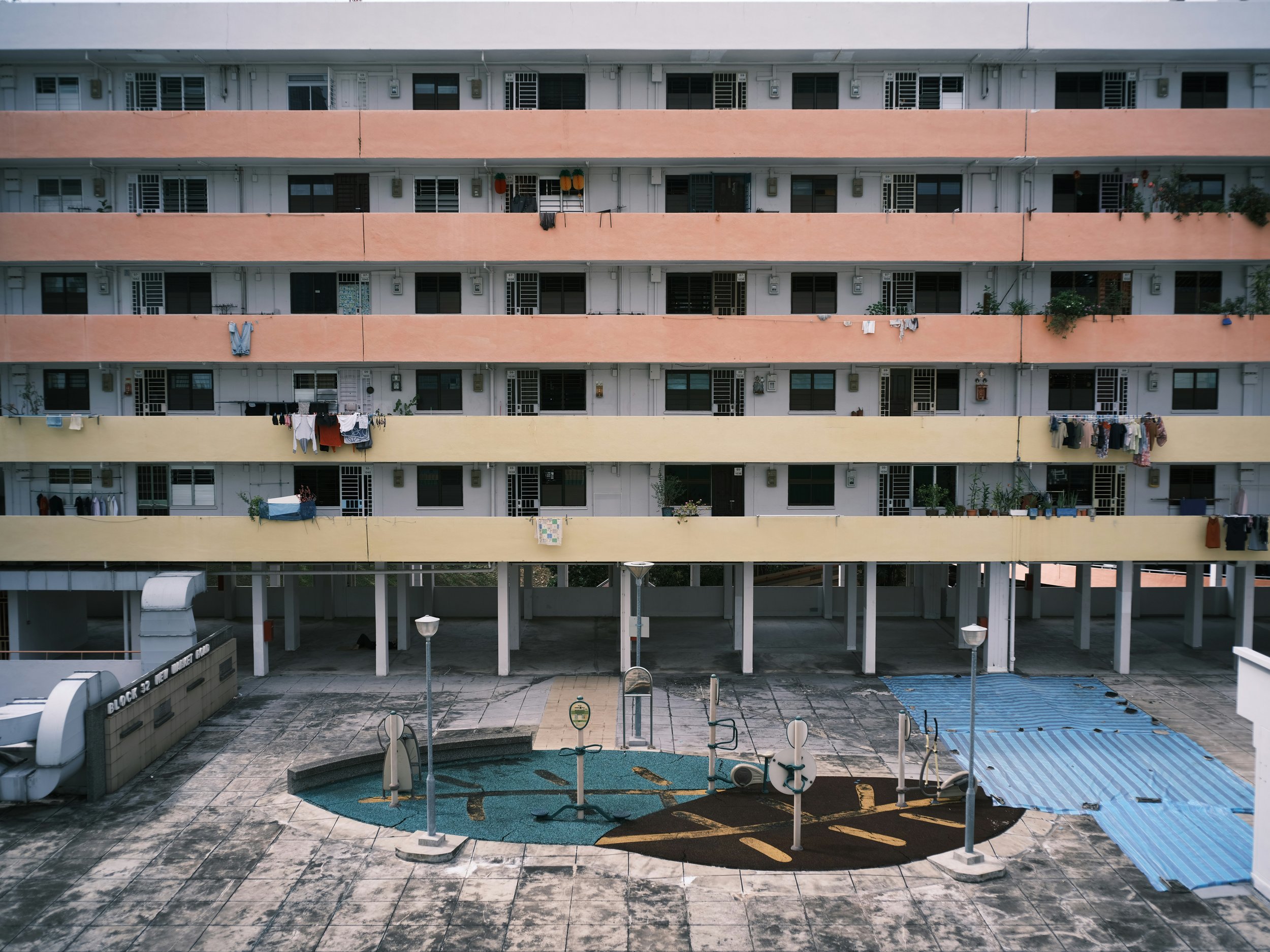
You have five working days to make a hazard safe. You need to know what the property actually looks like before day one.
Twinflow builds a measured 3D record of your stock, captured at void so no tenant is ever asked to let a stranger scan their home. Surveyors, contractors, compliance teams and legal all work from the same evidence, dated and defensible, instead of a photograph someone took on a phone three years ago.
Statutory deadlines measured in days, against stock records measured in guesswork.
Social landlords are being asked to act faster on property condition than their information about that property allows. Awaab's Law Phase 1 already sets deadlines in days rather than months: 24 hours to make an emergency hazard safe, 10 working days to investigate a significant one, and 5 working days from the end of that investigation to complete the safety work. From 30 November 2026 those same deadlines extend from damp and mould to seven further hazard groups covering cold, heat, falls, structural collapse, fire, electrical risk and pests. Meanwhile disrepair claims have risen steeply, and the statutory defence turns on being able to evidence what you knew, when, and what you did about it.
The underlying problem is not willingness. It is that most stock records were built for asset valuation and planned maintenance, not for defending a hazard case on a five-day clock. Surveys are sampled rather than complete, often years old, and held as a spreadsheet row rather than anything a surveyor, a contractor and a solicitor can all look at and agree on.
A measured record of the property, built at void, without ever asking a tenant to let us in.
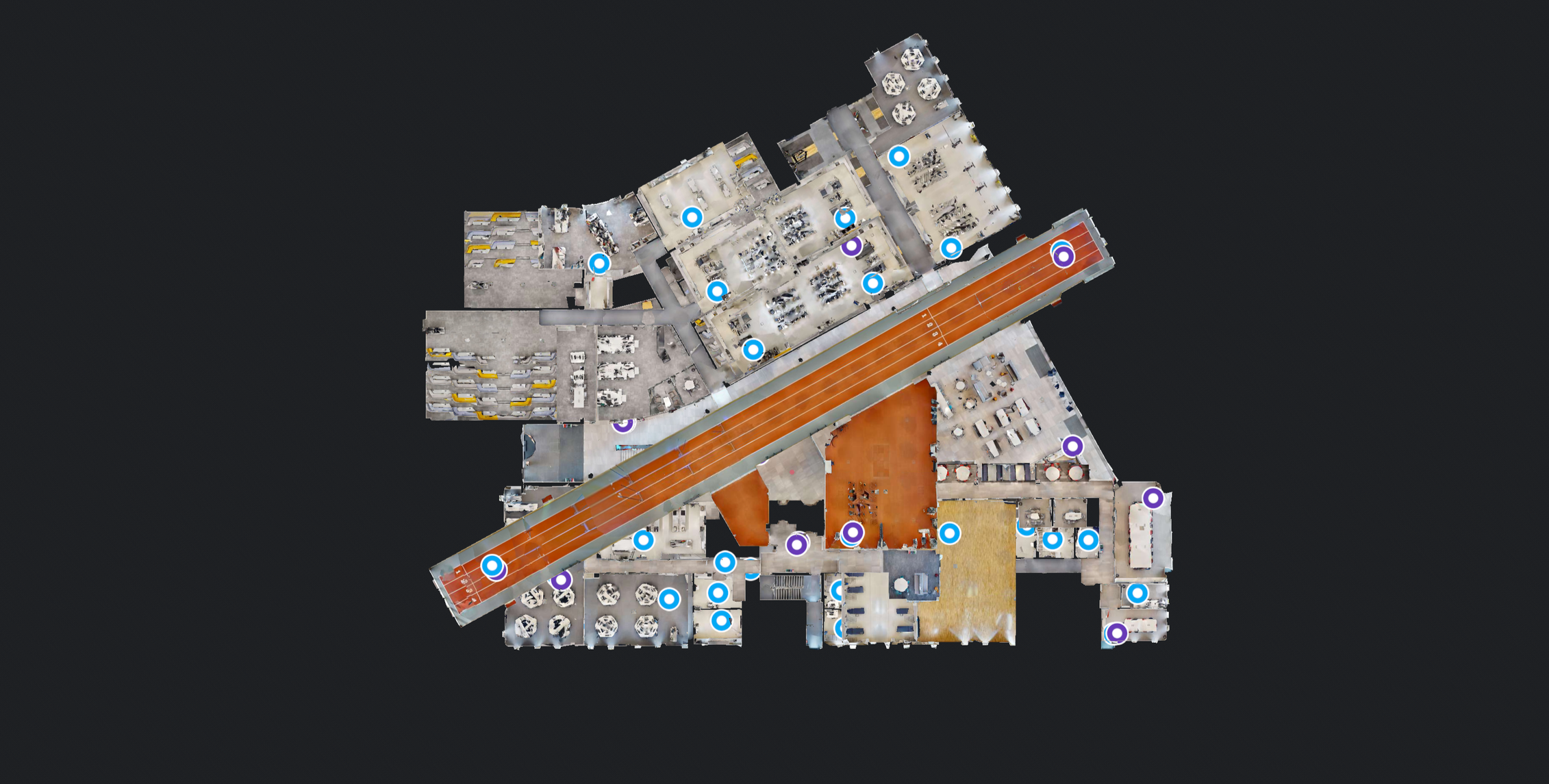
Twinflow captures properties during the void period, when they are empty and you already have access. Every room, dimensionally accurate, dated, with no occupant and no belongings in frame. Communal areas, stairwells, plant rooms, roofs and estate infrastructure are captured independently, so coverage of the shared parts of your estate is immediate rather than gradual.
Over a rolling programme tied to your void turnaround, that builds into a measured record of the stock. A surveyor can take dimensions without attending. A contractor can price a job without a pre-inspection. A compliance officer can evidence the condition of a property on a specific date. A legal team defending a disrepair claim has something better than a photograph and a recollection.
We are platform-agnostic and work as the coordination layer across the programme. Capture is specified once and applied consistently whoever delivers it, and the data comes to you in a form your asset management system can actually use rather than as a standalone viewer nobody logs into.
Built for a sector that has to prove what it knew and when it knew it.
Build a measured record, one void at a time.
Meet the deadline with evidence, not recollection.
Show the property as it was, on the date it mattered.
Spec the works once, and let the next tenant see it first.
Price the job without a pre-inspection visit.
Survey once, use it for every programme.
A dated record of the block, not just the paperwork.
The parts you can capture today, without waiting for a void.
01 Stock condition baseline
Most landlords survey a sample of stock on a multi-year cycle and extrapolate the rest. That was adequate when the obligation was a periodic standard. It is not adequate when the obligation is a five-day clock on an individual property. Capturing at void builds a complete, measured record over time without a single intrusive visit.
In practice
- Every property captured during its void period, as part of the existing void process
- Dimensionally accurate room-by-room record, dated and attributable
- Coverage builds progressively across the portfolio rather than in one expensive push
- Captured data structured to feed your asset management system, not to sit beside it
- Archetype records built from captured properties, improving the accuracy of modelled stock
02 Hazard investigation and evidence
When a hazard is reported, the clock starts. Investigating teams need to understand the property before they attend, and the written summary owed to the tenant has to describe findings accurately. A dated model of the property as it stood at the last void gives the investigating officer context before they arrive and a reference point afterwards.
In practice
- Property layout, construction and known features understood before the first visit
- Investigation findings recorded against a measured record rather than a sketch
- Written summaries to tenants supported by accurate property information
- Follow-up works scoped without a second inspection visit
- Condition at the point of letting evidenced against condition at the point of report
03 Disrepair claim defence
Disrepair claims have risen sharply, and the costs with them. The statutory defence depends on showing reasonable endeavours, which in practice means showing what the property was like and what you did. A dated capture taken at the start of a tenancy is the strongest single piece of evidence most landlords could hold and almost none of them do.
In practice
- Condition at the point of letting captured and retained as dated evidence
- Claims assessed against a measured record rather than competing recollections
- Expert inspections supported or in some cases avoided entirely
- Alterations or damage occurring during a tenancy evidenced against the letting baseline
- Legal and asset teams working from the same record rather than separate files
04 Void turnaround and reletting
The void is already the moment of maximum access and maximum activity. Capturing during it costs almost nothing in disruption and pays back twice: once in specifying the void works accurately, and again in showing the property to prospective tenants without a physical viewing.
In practice
- Void works specified and priced from the capture rather than a separate inspection
- Completed works evidenced against the pre-works condition
- Property shown to prospective tenants remotely, reducing refusals on viewing
- Applicants with mobility or travel constraints able to assess the property properly
- Void periods shortened where viewing arrangements were the bottleneck
05 Repairs triage and contractor briefing
A significant share of repairs visits are pre-inspections, or are first visits that turn into second visits because the operative arrived without the right parts or the right trade. A model lets the job be understood, specified and scheduled correctly before anyone is sent.
In practice
- Repairs triaged against the actual property rather than a description over the phone
- Contractors brief and price from the model instead of attending to look
- Correct trade, parts and access arrangements identified before the first visit
- Fewer no-access appointments wasted on jobs that were never going to be completed that day
- Specialist subcontractors briefed remotely rather than mobilised to inspect
06 Planned works, retrofit and decarbonisation
Retrofit programmes need property-level detail that most stock data does not hold, and the usual answer is yet another survey round. Capturing at void gives those programmes a measured starting point, and the same capture serves kitchens, bathrooms, roofing, rewires and fabric upgrades rather than each commissioning its own survey.
In practice
- Measured property data available to retrofit assessors without a separate survey visit
- Component condition and configuration recorded for planned works programmes
- Archetypes built from real captures, improving the accuracy of modelled approaches
- Works scoped and quantified from the model rather than from a visit per property
- Post-works capture at the next void, evidencing what was actually installed
07 Building safety and the golden thread
For higher-risk residential blocks the obligation is to hold and maintain accurate information about the building through its life. Most of that information exists as documents. A measured record of the actual building, including the parts that have been altered since the drawings were made, is the part that is usually missing.
In practice
- Communal areas, risers, plant rooms and escape routes captured and dated
- Alterations recorded against the as-built record rather than discovered later
- Information maintained as the building changes rather than fixed at handover
- Fire safety and compartmentation surveys supported with measured context
- Accountable person able to evidence building information that reflects reality
08 Communal areas, estates and non-residential assets
Everything outside the front door can be captured immediately, with no void to wait for and no consent to obtain. For most landlords this is where coverage starts, and it is also where a surprising share of hazard reports, insurance claims and accessibility complaints actually originate.
In practice
- Stairwells, lobbies, corridors, bin stores, drying rooms and plant rooms captured now
- Estate roads, parking, play areas and landscaping recorded
- Offices, depots, community centres and sheltered scheme communal space documented
- Accessibility of communal routes assessed and evidenced
- Immediate coverage of the shared estate while residential coverage builds at void
A six-stage programme built around your void process and your data protection duties.
We agree the capture scope, the retention period, who can access the data and on what basis, and we document it with your data protection officer before anything is captured. Occupied homes are out of scope by default. Where a specific case requires one, written tenant consent is obtained for that property alone.
We begin with everything outside the front door: stairwells, lobbies, corridors, plant rooms, bin and bike stores, roofs, estate infrastructure and any non-residential buildings. This needs no void and no consent, so coverage of the shared estate is complete early rather than gradually.
Capture is built into your existing void process, between the keys coming back and the works starting, or between works and reletting. It adds minutes rather than days, and it uses access you already have.
Every model is checked against the specification. You receive measurement-ready models, floor plans, shareable links and embed codes, delivered into the systems your teams already work in rather than as a separate portal.
We work with your asset management and repairs systems so the capture is reachable from the property record, not from a bookmark somebody loses. This is the step that decides whether the data gets used.
The programme continues with turnover, and properties are re-captured at subsequent voids. Over time the record both broadens and refreshes itself, which is what makes it a dataset rather than a one-off survey.
One defended claim, or one shortened void, pays for a lot of captures.
The cost case here is unusually clean, because the access is free. The property is already empty, your team is already in it, and capture adds minutes to a process you are already running and already paying for. Against that, a single disrepair claim defended on dated evidence, or a single void shortened because the property could be viewed remotely, covers a meaningful number of captures. The larger prize is the one that does not show up as a line item: being able to evidence what you knew and when, across a portfolio, on a statutory clock.
Claims and cost figures from FOI responses by 78 English councils, obtained by Pabla & Pabla and reported November 2025.
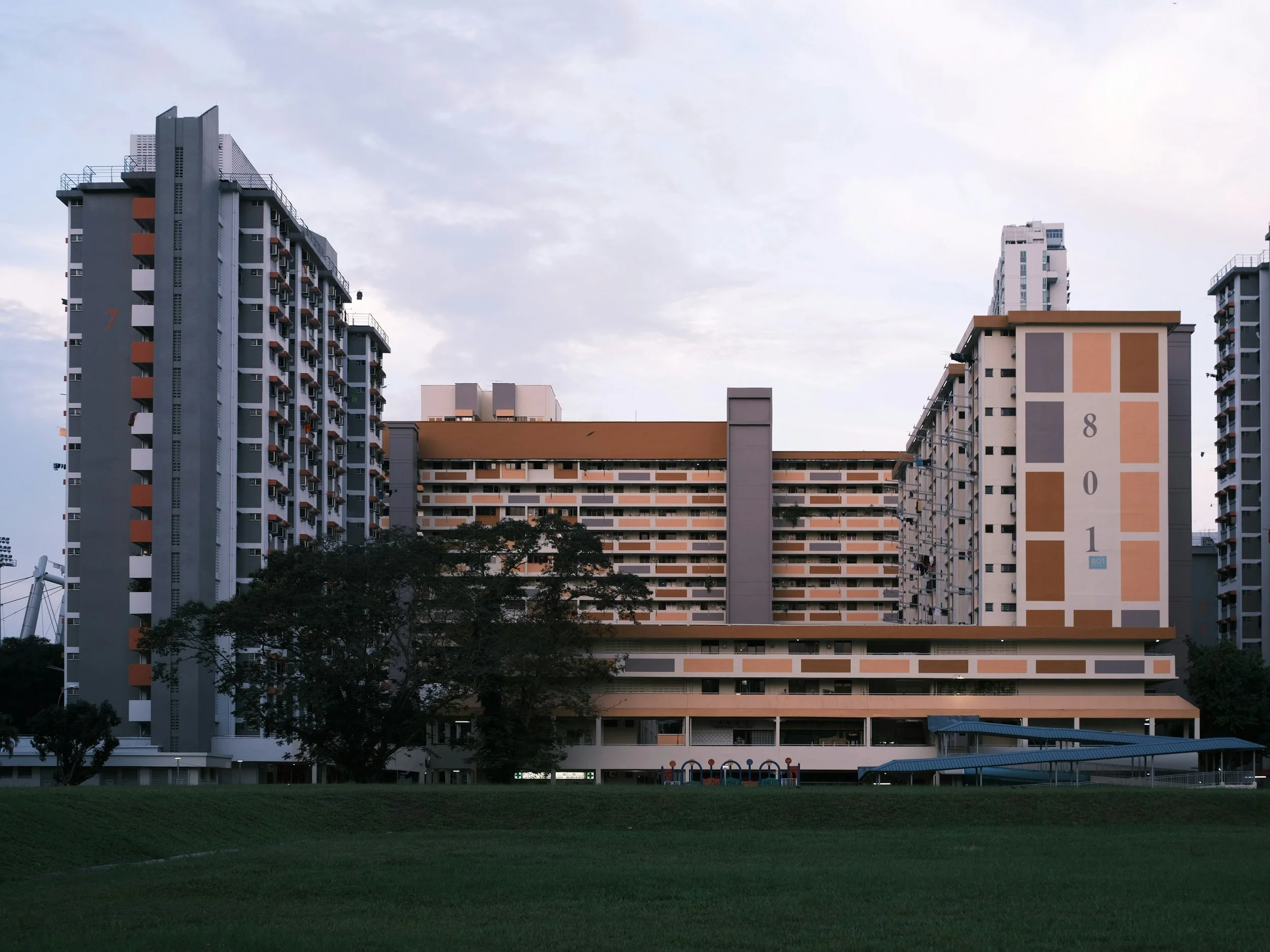
Engineered for every landlord, block type and contractor in the sector.
Around three million homes between them, under the consumer standards and the full weight of the Awaab's Law timetable.
Around 1.6 million homes, with the same obligations and usually tighter budgets and older stock data.
Around a tenth of all social homes, with extensive communal space that can be captured immediately.
High turnover and intense scrutiny of conditions, where a dated record of each letting is particularly valuable.
Buildings in scope of the building safety regime, where accurate and maintained building information is a statutory duty.
Delivering against properties they are briefed on by phone, and carrying the cost of every wasted visit.
Needing property-level detail that stock data rarely holds, and currently commissioning their own surveys to get it.
Every stakeholder across the social housing operation.
Owns stock condition data and the investment programme built on it. The clearest commercial owner of this proposition.
Runs repairs and voids, measured on turnaround times and first-time fix rates.
Carries the statutory deadlines and the evidence burden, and will ask about data protection before anything else.
Responsible for whether the organisation's property data is accurate and usable.
Owns the void period, which is where this proposition physically happens.
Accountable to the board and the regulator for performance on property condition.
Defending claims with photographs and recollections, and the people for whom a dated record is most obviously valuable.
The deadlines are in days. Your stock data is in years.
From 30 November the statutory clock extends across seven more hazard groups, and the defence rests on evidencing what you knew and what you did. Twinflow builds that evidence base out of the access you already have, capturing properties during void periods and communal areas straight away, without entering a single occupied home. It costs nothing extra in access and it compounds every year the programme runs.