

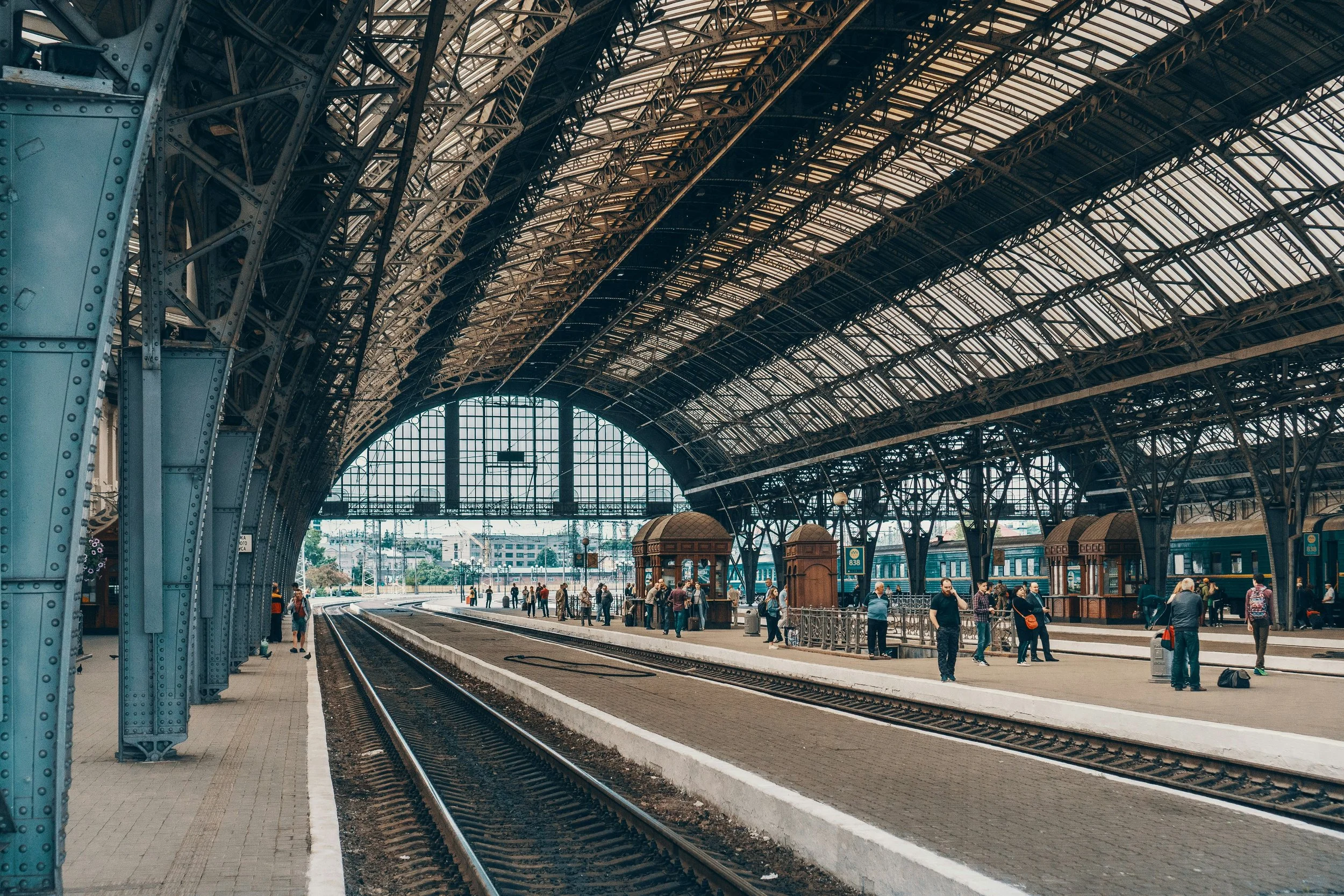
Every visit to a rail asset costs a safety briefing, a competent escort and sometimes a possession. Capture it once.
Twinflow documents stations, depots, maintenance facilities and lineside buildings in measurable 3D, so engineers, designers, accessibility assessors and contractors can survey the asset from their desk instead of booking access to it. One capture, used by every discipline that would otherwise have had to turn up.
A vast, dispersed, ageing estate that is expensive and dangerous to walk around.
The railway is one of the largest and least documented estates in the country. Over two and a half thousand stations, tens of thousands of structures, depots and lineside buildings, much of it Victorian, almost all of it altered repeatedly since. The records that exist are scattered across drawings of uncertain vintage, surveys commissioned project by project, and the knowledge of people who are retiring. And unlike almost any other estate, you cannot simply go and look: access to the operational railway means safety-critical competence, escorts, and often a possession or an isolation booked weeks ahead. Every discipline that needs to see an asset pays that cost separately, and they pay it again every time the question changes.
A measurable record of the asset, available to every discipline, without anyone going near the track.
Twinflow captures stations, depots, maintenance facilities, control rooms and lineside buildings as dimensionally accurate 3D models. Concourses, platforms, ticket halls, back-of-house, staff accommodation, plant rooms, roads and standing. Anyone with a link can walk the asset, take measurements, check a clearance, count an asset, or see how a space was configured on the date it was captured.
The point is not that the model is impressive. The point is that it is the single thing a structural engineer, an accessibility assessor, a retail designer, a contractor pricing a job and a project manager writing a brief can all use, when each of them would otherwise have booked their own site visit, their own escort and their own window of access.
Twinflow is platform-agnostic and works as the coordination layer across a programme. Where an estate needs different capture methods for different asset types, which is normal at any scale, we specify, procure and manage that mix so the client holds one consistent dataset rather than four incompatible ones.
Built for an estate you cannot casually walk around.
A measurable record that outlives the people who hold it.
Evidence the gap, then show the journey.
Survey the asset without booking access to it.
Scope and price from measured reality, not an old drawing.
One dataset across a dispersed estate, whoever captures it.
Every bidder prices the same building.
Brief a response without putting anyone on the platform.
Keep what retires with your depot foreman.
01 Station and depot asset records
Most rail assets have been altered many times more often than they have been surveyed. Drawings describe an intent from decades ago, not the building as it stands. A dimensionally accurate capture creates a dated, measurable record of the asset as it actually is, which every subsequent project can start from instead of commissioning its own survey.
In practice
- Concourses, platforms, ticket halls and back-of-house captured to one specification
- Plant rooms, risers and service routes recorded where drawings are absent or wrong
- Depot workshops, roads, pits and standing documented alongside the buildings
- Measurements taken from the model rather than from a site visit
- A dated baseline retained, so later changes can be evidenced against it
02 Accessibility assessment and passenger information
Almost half of stations still lack a good level of step-free access, and a significant share of disabled passengers say the information about a station is itself the barrier. A model serves both problems at once: assessors can audit routes, gradients and clearances remotely, and the same capture can be published as a station tour so a passenger can see the journey before they travel.
In practice
- Step-free routes, gradients, door widths and clearances measured from the model
- Access audits carried out without a site visit or a station escort
- Assistance points, lifts, toilets and waiting facilities located and evidenced
- Published as a passenger-facing station tour so journeys can be planned in advance
- Reassessed after works, so improvement can be evidenced rather than asserted
03 Eliminating site visits, escorts and possessions
Getting a person to a rail asset is expensive in a way that is unusual even among infrastructure sectors. Safety-critical competence, escorts, permits and, for anything near the running line, a possession or isolation booked well ahead. Every discipline pays that cost separately. A model collapses most of those visits into one capture that everyone works from.
In practice
- One capture replaces repeat visits by engineering, design, commercial and operations teams
- Remote surveys by specialists who would otherwise need escorting to site
- Questions answered from the model weeks after the capture, with no new access request
- Fewer people on or near the operational railway, which is a safety outcome as well as a cost one
- Supply chain and consultants briefed without consuming the client's access allocation
04 Renewals and capital project planning
The current control period carries a very large renewals programme, and the most common cause of overrun on building and station work is discovering that the asset is not what the drawings said. Scoping from a measured capture removes a category of risk before the budget is set, and lets options be tested before anyone commits to one.
In practice
- Feasibility and option studies carried out from the model before any site visit
- Scope and quantities taken from measured reality rather than historic drawings
- Clashes and constraints identified at design stage rather than on site
- Existing conditions captured before works start, as a baseline for change control
- Re-capture on completion, giving a record of what was actually built
05 Multi-vendor programme coordination
A large estate almost never suits a single capture method. Staffed stations, unstaffed halts, depots and structures each have different requirements, and the sensible answer is usually more than one technology and more than one supplier. That is how estates end up with incompatible datasets. Twinflow specifies and manages the mix so the client ends up with one coherent record.
In practice
- Capture method matched to asset type rather than to whichever supplier was engaged
- Specification written once and applied across every site in the programme
- Multiple suppliers coordinated to a single standard and a single delivery schedule
- Client holds one dataset and one point of accountability, not four of each
- Vendor-agnostic throughout, so the estate is not locked to one platform
06 Contractor briefing and tendering
When a tender goes out on a rail asset, every bidder either prices from inadequate information or asks for a site visit, and site visits on the railway are a scarce resource. Issuing a model with the tender means every bidder sees the same building, prices the same job, and has fewer grounds to claim variation later.
In practice
- Model issued as part of the tender pack so bidders price from the same information
- Mid-tender site visits reduced or removed from the programme
- Access, logistics and constraints understood before a contractor mobilises
- Fewer variation claims founded on conditions differing from the information provided
- Supply chain briefed remotely, including specialists based elsewhere in the country
07 Safety, security and incident planning
Emergency services, security planners and operations teams all need to understand a station layout in detail, and all of them currently do it either from drawings or by walking the site during traffic hours. A model lets that planning happen off-site, and gives responders a current layout to brief from.
In practice
- Evacuation routes, exits and refuges reviewed from the model
- Emergency services familiarised with a station without an operational visit
- Security and CCTV coverage planned against the actual layout
- Crowd management and event planning worked through before implementation
- Post-incident review carried out against a dated record of the layout at the time
08 Workforce training and knowledge transfer
The rail workforce skews older and a great deal of what is known about individual assets is not written down anywhere. A model is the only practical way to capture the spatial part of that knowledge, and the only way to induct new staff into a complex depot or station without taking them round it.
In practice
- Inductions carried out before a new starter sets foot on site
- Depot and plant room walkthroughs recorded with the detail that exists only in people's heads
- Safety briefings delivered against the actual environment rather than a generic one
- Contractors and agency staff familiarised remotely before mobilising
- Knowledge retained as experienced staff retire out of the industry
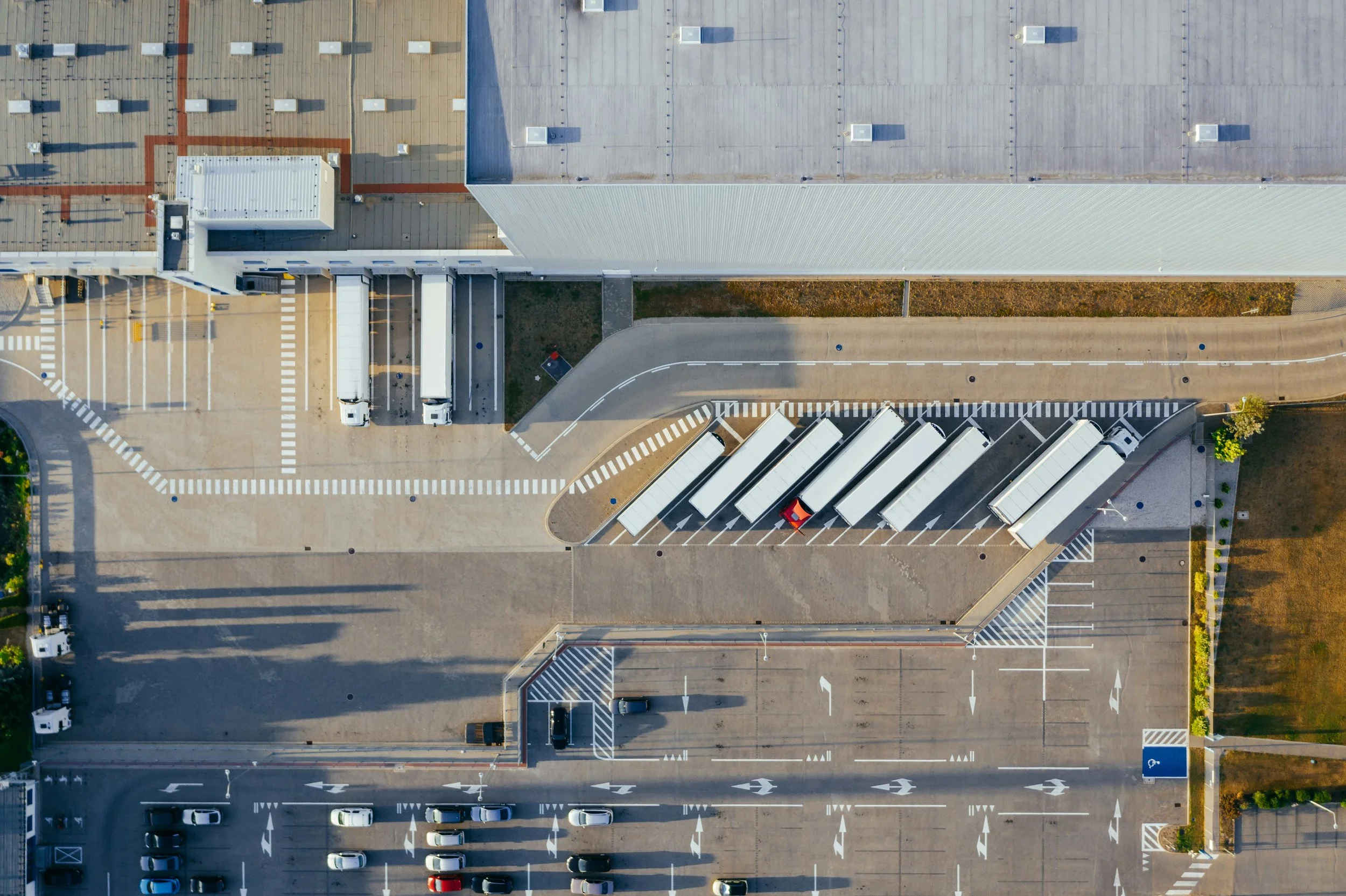
A six-stage programme built around a dispersed, operational estate.
We work through the estate with you and group assets into cohorts by type, operational constraint and the capture method each actually needs. Staffed stations, unstaffed stations, depots and lineside buildings rarely suit the same approach, and deciding that up front is what stops an estate ending up with incompatible data.
We agree access arrangements with your operations and safety teams before any date is confirmed: competence requirements, escorts, permits, working hours and whether any asset needs a possession or isolation. Capture is planned around traffic and engineering access, not against it.
One capture specification is written for the whole programme and applied to every supplier working on it. Where different asset types need different technology, we procure and manage that, so the output is consistent regardless of who held the scanner.
Sites are captured to the agreed schedule, in the agreed access windows, with progress reported against the cohort plan. On a dispersed estate this runs over weeks or months rather than as a single mobilisation.
Every model is checked against the specification before it is accepted. You receive shareable links, embed codes, floor plan exports and measurement-ready models, delivered into whatever systems your teams already use.
We manage hosting across the estate and re-capture assets as they change, so the dataset tracks the railway rather than freezing it on the day it was scanned.
The capture costs less than the site visits it replaces, and far less than the renewals it de-risks.
Against a control period carrying £19.3bn of renewals and £12.6bn of maintenance, estate-wide capture is a rounding error. The comparison that matters is narrower than that: the cost of capturing a station once, against the cost of every separate site visit, escort and access window that capture removes across the life of a programme. On a dispersed estate, where each discipline would otherwise mobilise independently to the same building, that arithmetic usually settles itself within the first project.
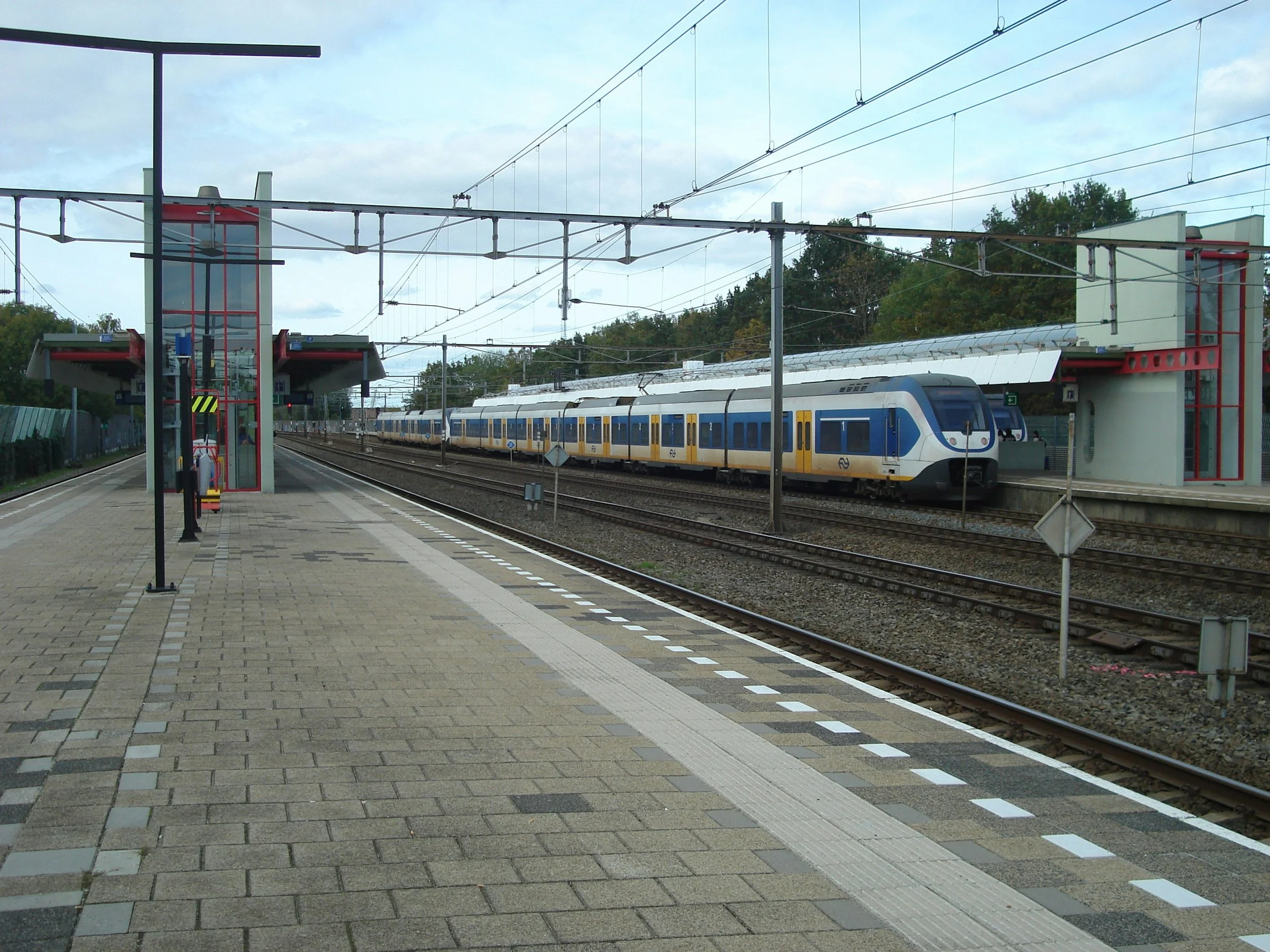
Engineered for every operator, owner and contractor on the network.
Running station estates of anywhere from a handful to several hundred assets, with accessibility, retail and renewals obligations across all of them.
Responsible for track, structures, lineside buildings and the largest stations, with a renewals programme measured in billions.
Complex industrial buildings with heavy plant, pits and roads, where the records are frequently worse than at stations.
Dense urban networks with constant passenger presence and very limited engineering access windows.
Yards, terminals and interchange facilities where layout and clearance drive operational capacity.
Bidding and delivering against estates they cannot easily visit, and carrying the risk when conditions differ.
Combined authorities and devolved governments specifying, funding and holding accountability for station estates.
Every stakeholder across the rail estate and its programmes.
Accountable for a dispersed estate they cannot personally visit often. The clearest commercial owner of this proposition.
Responsible for the quality and consistency of the estate's data. Interested in specification and interoperability.
Carries the obligation to evidence step-free provision and improve passenger information, currently doing audits by site visit.
Owns the estate commercially, including retail units, lettings and dilapidations.
Delivering renewals against a control period budget, and most exposed to the cost of a surprise.
Measured on people on or near the line. Removing site visits is a safety argument before it is a cost one.
Runs the frameworks and tenders, and cares whether bidders price consistently from what they are issued.
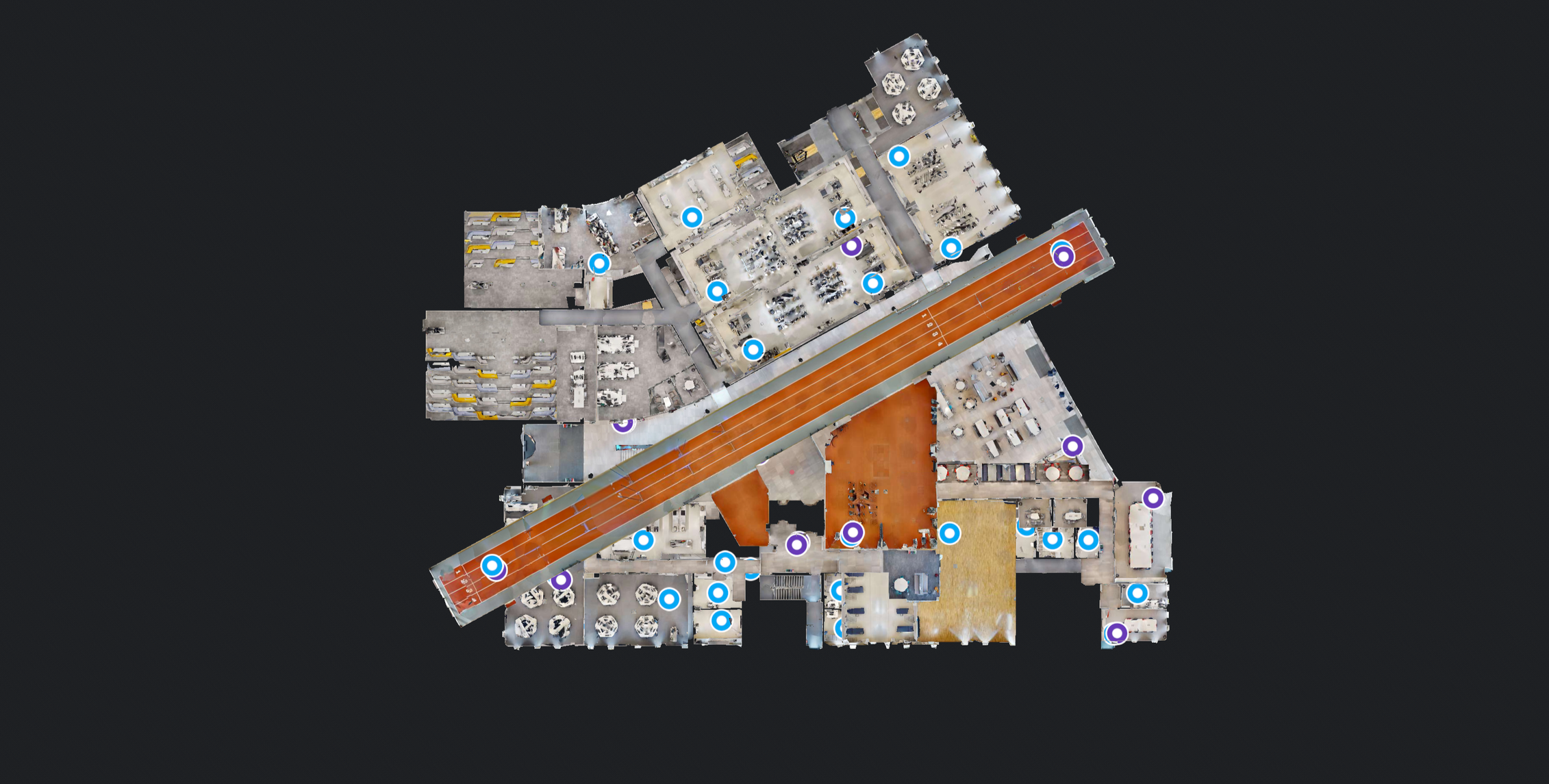
You cannot survey your way round a railway. You can capture it once.
Rail estates are large, old, altered beyond their drawings, and harder to physically access than almost anything else you could be asked to document. Every discipline that needs to look currently pays separately for the privilege. Twinflow specifies, procures and manages estate-wide capture as a programme, vendor-agnostic throughout, so you end up with one coherent record of the estate rather than a decade of project-by-project surveys that do not join up.