

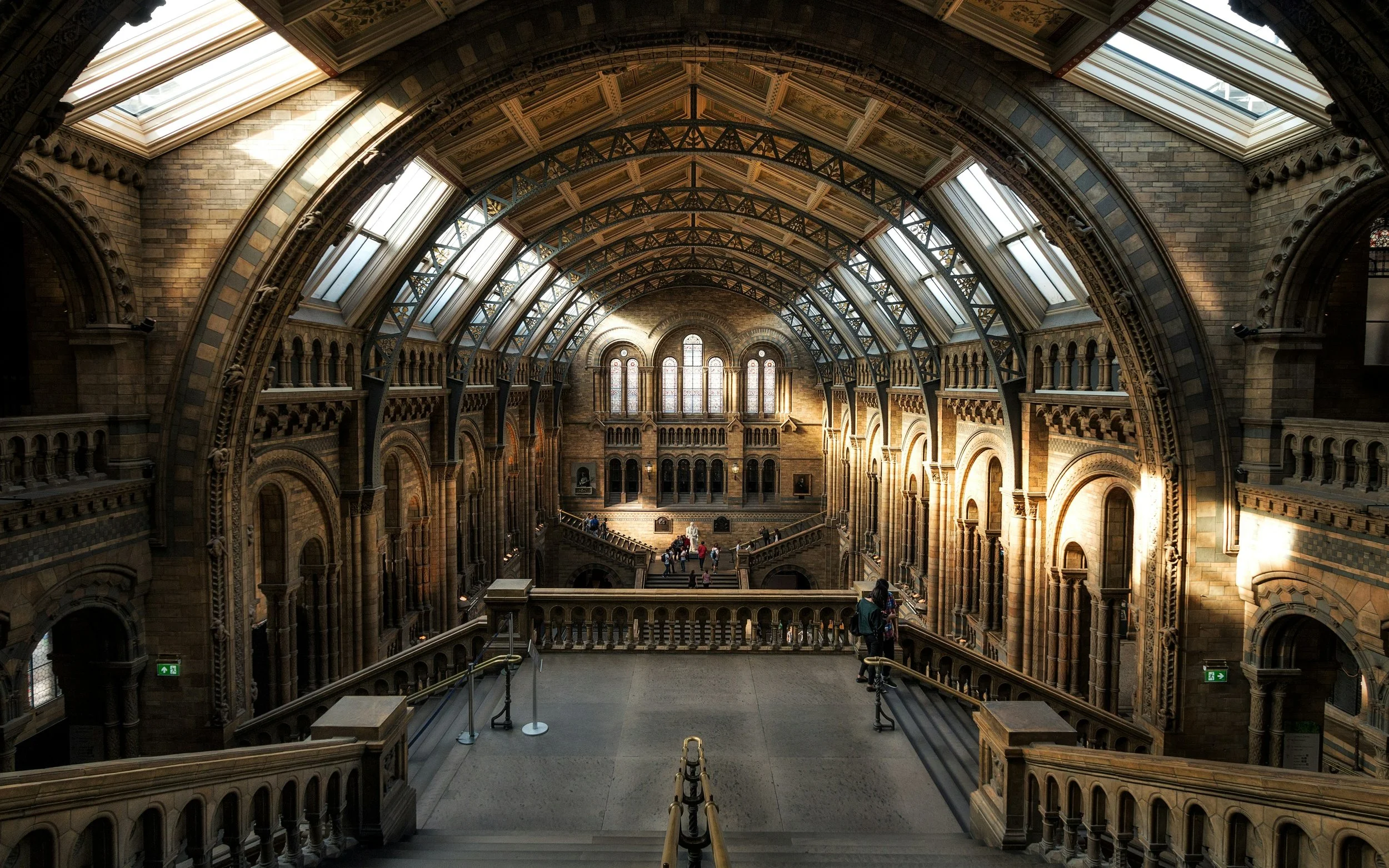
Make culture accessible beyond the building..
Twinflow creates photorealistic 3D models of gallery spaces, exhibition halls, and heritage environments — extending reach to international audiences, schools, and those who cannot visit in person, while driving confident ticket sales from those who can.
Physical institutions reach only those who can travel to them. Every other audience remains underserved.
Museums, galleries, and cultural institutions exist to engage audiences - but their impact is physically bounded by the building. Schools too far away for a day trip, international visitors planning ahead from abroad, people with mobility challenges, and audiences who simply don't know what to expect before buying a ticket - all of these are audiences being missed by institutions that rely entirely on in-person attendance.
A navigable, photorealistic replica of your institution - accessible to every audience, everywhere.
Twinflow captures your galleries, exhibition halls, permanent collection spaces, and ancillary areas - creating an interactive model that schools can use for virtual trips, international visitors can use to plan and preview, ticketing pages can use to drive confident bookings, and researchers can use to access spaces remotely. One capture, multiple audiences, permanent value.
Designed to extend reach, drive visits, and support every audience.
Reach every school - not just those within a bus journey.
Let international tourists plan their visit before they land.
Show prospective visitors exactly what their ticket or donation supports.
A permanent spatial record of the spaces that house your collection.
01 Virtual school trips and education access
School trip budgets are under pressure, and many schools are unable to visit institutions they would otherwise love to use. A Twinflow virtual tour enables structured virtual school trips, supporting curriculum delivery without the cost, logistics, or risk management of a physical visit. For institutions with learning programmes, the model extends reach to every school in the country.
In practice
- Full gallery and exhibition space model used as the basis for facilitated virtual school trips
- Individual room models with MatterTag annotations linking to educational resources and object labels
- Teacher resources built around navigating specific galleries and exhibits in the model
- Model integrated into the institution's learning platform and school booking system
- Accessible and inclusive - reaches SEND schools and children with mobility challenges
02 International visitor pre-visit and planning
International visitors to UK cultural institutions are often making itinerary decisions months in advance, from thousands of miles away. A photorealistic 3D walkthrough gives those visitors a genuine preview - building anticipation, answering practical questions about scale and layout, and driving the booking decision before they arrive in the country.
In practice
- Full institution model linked from your international visitor pages and multilingual landing pages
- Specific collection and gallery models shared with travel agents and cultural tourism platforms
- Model embedded in travel editorial and guidebook digital integrations
- Virtual 'plan your visit' tool showing gallery layout, facilities, and accessible routes
- Model shared with tour operators building group itineraries for cultural travel programmes
03 Ticketing and donation conversion
Institutions that charge for admission face the challenge of convincing prospective visitors the experience is worth the cost before they've seen it. A virtual tour removes the uncertainty that prevents ticket purchases - and drives higher conversion from those who have previewed the space.
In practice
- Model embedded on ticketing and admission pages - 'explore before you visit' messaging
- Specific gallery and highlight captures used as 'what you'll see' teaser content in marketing
- Donation campaign pages using the model to communicate what donor investment is preserving
- Annual pass and membership sales supported by model previews of all access areas
- Model linked from review sites and cultural listing platforms to drive booking confidence
04 Heritage and collection documentation
Beyond visitor engagement, digital twins provide heritage institutions with a critical operational resource - an accurate, photorealistic spatial record of every gallery, storage area, and conservation space. This record supports insurance valuations, disaster recovery planning, and conservation management.
In practice
- Permanent collection gallery captures as baseline condition records for insurance and conservation
- Storage and archive space documentation for asset management and collection tracking
- Pre-refurbishment captures of galleries before renovation works begin
- Post-refurbishment captures at practical completion as the new baseline record
- Point cloud and mesh exports for conservation architects planning works to listed spaces
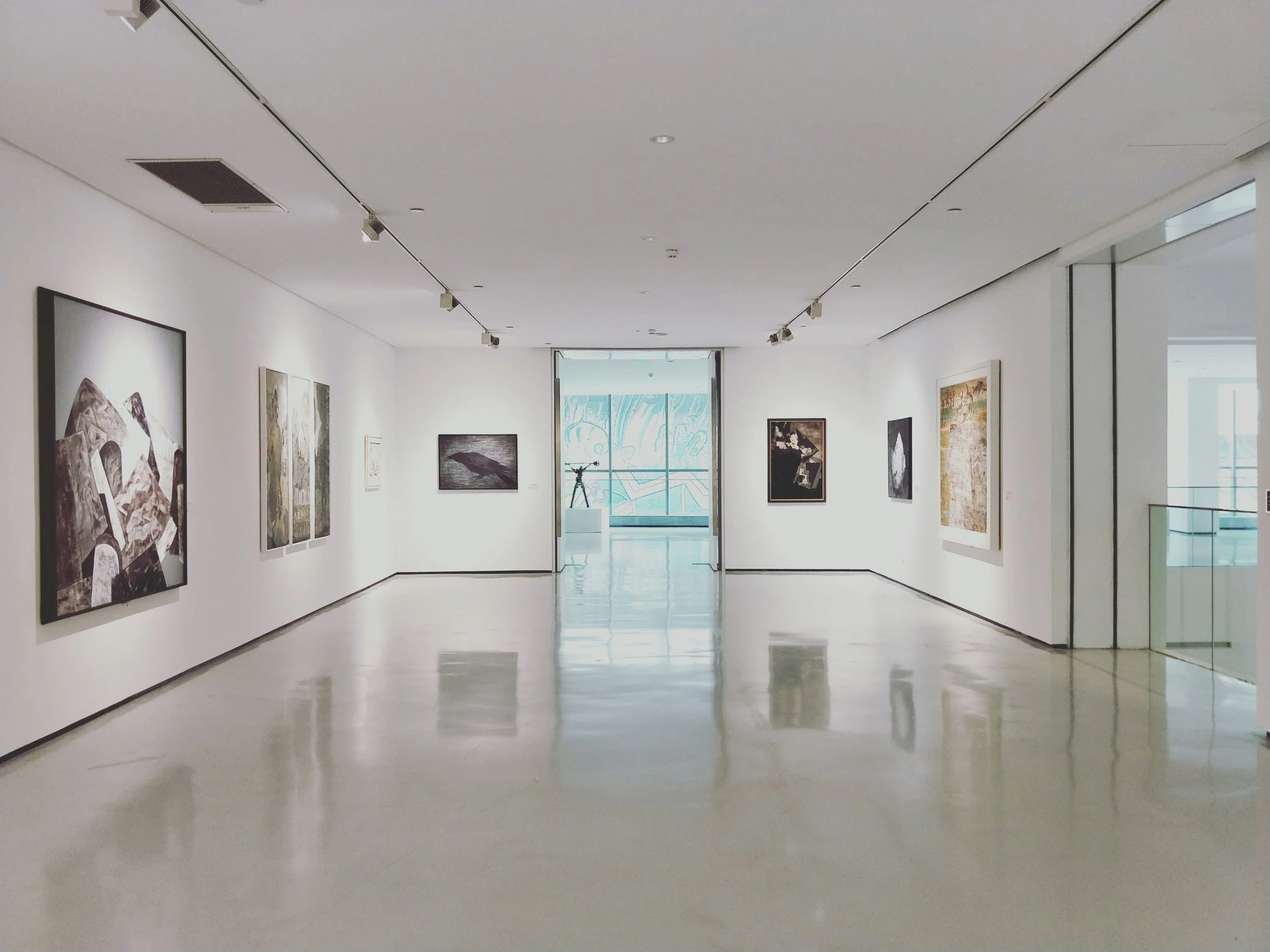
A collaborative process structured around your mission and operational needs.
We discuss which spaces serve your visitor engagement, education, and operational objectives - and how to structure the model to serve each audience.
We capture outside public opening hours to avoid disruption. Large institutions are typically captured across two to three sessions.
Models delivered within 24 hours of each session. We advise on MatterTag use for educational labels, collection highlights, and wayfinding annotations.
Models hosted on Matterport and integrated with your website, learning platform, and booking system. Refresh captures available for new exhibitions and gallery refits.
One virtual school trip programme or international visitor campaign justifies the investment.
For institutions with charitable or public funding obligations, the Twinflow model is a multiplier of impact - extending reach without proportionally increasing cost. For those with earned income targets, it is a direct driver of ticket sales, membership, and donation conversion.
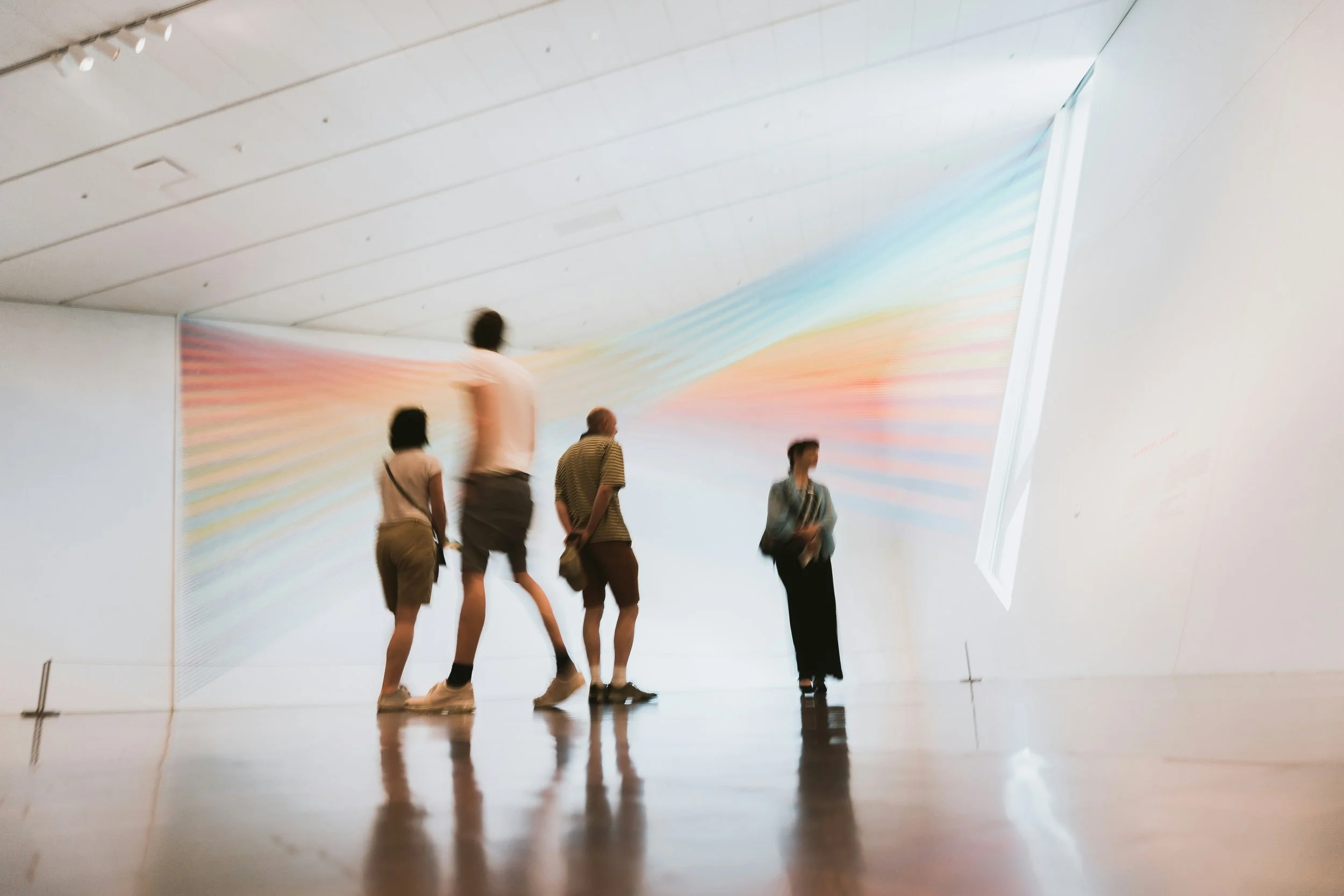
Engineered for every museum, gallery, and cultural space type.
Large-format institutions with multiple galleries, temporary exhibition spaces, and significant education obligations.
Visually led environments where the space itself is central to the artistic experience.
Lived-in or restored historic spaces where atmosphere and architectural detail are the primary draw.
Object-rich environments where scale, drama, and educational content can be annotated within the model.
Large-format outdoor and mixed environments where spatial navigation and seasonal capture both have value.
Research and public access spaces where virtual access extends the mission to remote researchers.
Built for every team responsible for institutional mission and visitor engagement.
Mission delivery, strategy, and capital investment decisions for institutional growth.
Virtual access, online content strategy, and platform integration across all digital channels.
School programmes, virtual trips, and education access strategy for expanded reach.
Visitor acquisition, ticketing conversion, press, and digital campaign strategy.
In-person and pre-visit experience design, wayfinding, and accessibility planning.
Collection documentation and conservation record requirements for heritage preservation.
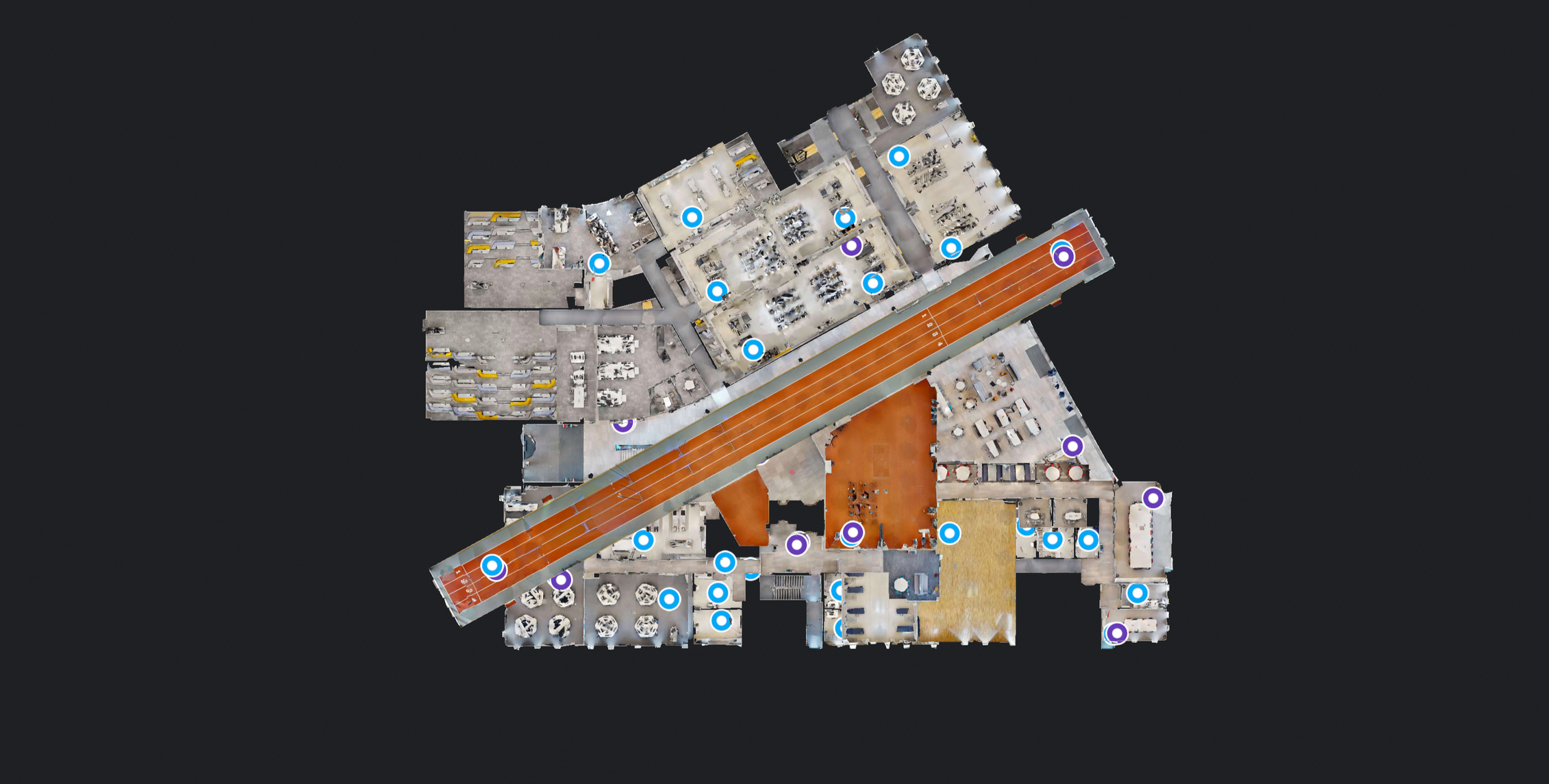
Your collection deserves an audience that goes beyond those who can visit.
A Twinflow 3D capture of your institution opens your spaces to schools, international visitors, researchers, and digital audiences who would never otherwise engage with your collection. Let's talk about extending your reach.